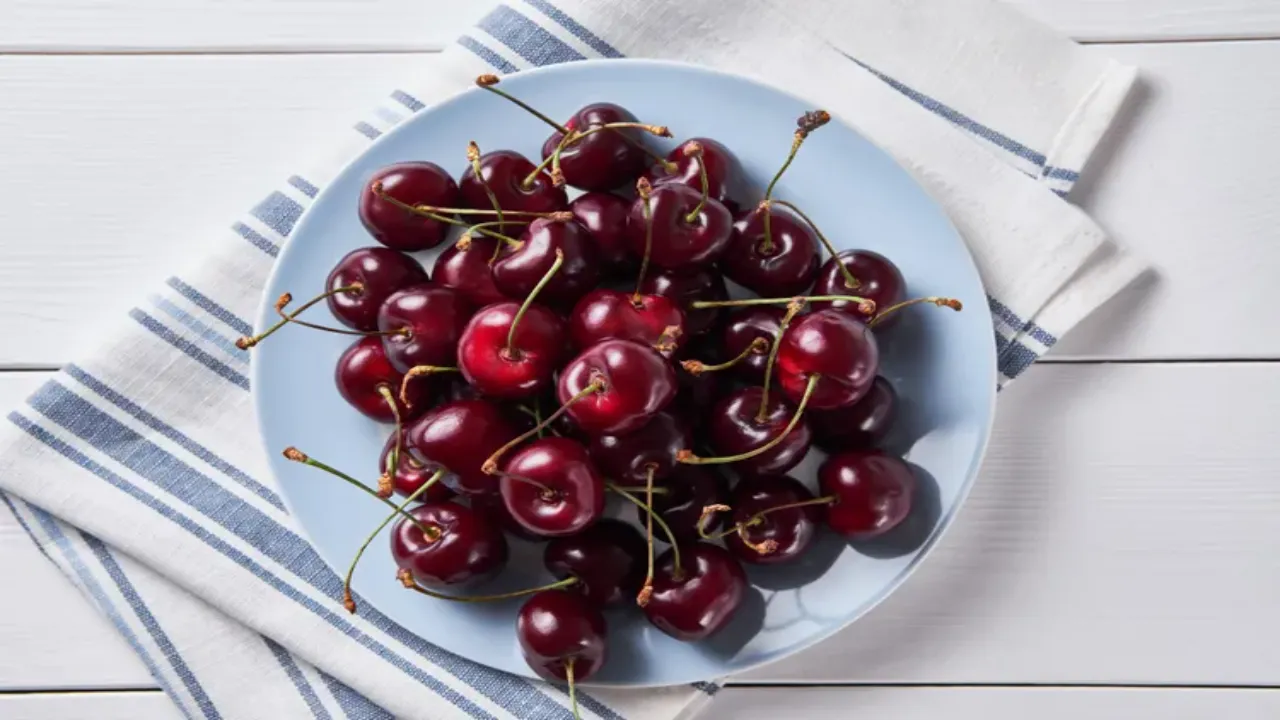
Tart cherries are small, bright-red fruits with a sharp flavor and a growing reputation among people interested in nutrition, better sleep, and exercise recovery. Unlike sweet cherries, tart cherries—particularly the Montmorency variety—are commonly used in juices, dried fruit, sauces, and concentrated products.
Their appeal comes partly from anthocyanins, the plant pigments that give many red and purple fruits their color. Tart cherries also provide vitamin C, potassium, and other plant compounds. Research suggests they may offer certain benefits, especially for muscle recovery after strenuous exercise, although the evidence is not equally strong for every health claim.
Before adding tart cherry juice or supplements to your daily routine, it helps to understand what the research says, what remains uncertain, and which side effects deserve attention.
1. Tart Cherry Nutrition: What Makes These Fruits Different?
Tart cherries are also called sour cherries. They are generally more acidic and less sweet than the cherries commonly eaten fresh. Their nutritional profile includes carbohydrates, natural sugars, fiber, vitamins, minerals, and polyphenols.
Anthocyanins are among their best-known plant compounds. Researchers have investigated these substances because of their antioxidant activity and possible role in processes linked to inflammation. However, the presence of antioxidants does not automatically mean a fruit can prevent or cure a disease.
| Nutritional feature | Why it matters |
|---|---|
| Anthocyanins | Plant pigments studied for antioxidant and anti-inflammatory effects |
| Vitamin C | Supports immune function and collagen production |
| Potassium | Helps maintain normal muscle function and fluid balance |
| Dietary fiber | Supports digestive health |
| Natural carbohydrates | Provide energy, although juice may contain less fiber than whole fruit |
The exact nutritional content depends on the variety, serving size, and product. Fresh or frozen cherries, dried cherries, juice, and concentrated supplements are not interchangeable. Dried fruit may contain more sugar per serving by weight, while juice can deliver several servings of fruit in a glass without providing the same amount of fiber.
A 2018 review of human studies on cherries found promising results for certain measures of inflammation, oxidative stress, and exercise-related muscle soreness. However, many of the studies were small and short, so the findings should be interpreted cautiously.
2. Seven Potential Health Benefits of Tart Cherries
1. May help with exercise recovery
One of the most studied uses of tart cherry products is helping athletes recover after strenuous exercise. Intense workouts can leave muscles sore and temporarily reduce strength, especially after unfamiliar or demanding activity.

Some studies suggest that tart cherry juice consumed in the days before strenuous exercise may help preserve muscle function and reduce certain measures of soreness afterward. However, results vary according to the exercise, product, and timing.
A review of 15 studies found that some tart cherry juice protocols improved muscle recovery, but effects on soreness and inflammation were less consistent. The researchers also noted that the ideal dose has not been established.
For people who exercise regularly, tart cherries may be one option to explore as part of a recovery routine. They do not replace sufficient sleep, hydration, balanced meals, or appropriate rest between workouts.
2. May support better sleep
Tart cherries contain small amounts of melatonin, a hormone involved in regulating the body’s sleep-wake cycle. This has led researchers to investigate whether tart cherry juice could help people sleep longer or improve sleep quality.
Some small studies have reported encouraging results, including possible improvements in sleep duration. However, the research remains limited, and it is not clear how much juice would be needed to produce a reliable effect.
The Cleveland Clinic notes that early findings are promising but that larger, stronger studies are needed to determine how well tart cherry juice works for sleep problems.
If you want to try tart cherries as part of an evening routine, choose an unsweetened product and pay attention to portion size. Persistent insomnia, loud snoring, or daytime exhaustion deserves medical evaluation rather than relying on a fruit drink.

3. Provides antioxidant plant compounds
Tart cherries contain anthocyanins and other polyphenols that have attracted interest for their antioxidant properties. Antioxidants help the body manage oxidative stress, which occurs when reactive molecules build up faster than the body’s protective systems can handle them.
Eating tart cherries can contribute to an eating pattern rich in plant foods. Other useful sources of polyphenols include berries, grapes, apples, vegetables, tea, and legumes.
The important distinction is that antioxidant activity in a laboratory does not prove that a food will prevent a particular illness in humans. Tart cherries are nutritious, but they should not be marketed as a cure for chronic disease.
4. May influence inflammation-related markers
Researchers have examined whether tart cherry consumption affects markers associated with inflammation. Some human studies have reported changes in certain markers, although results are not uniform.
This research is particularly relevant to exercise recovery, where inflammation and muscle damage can occur after demanding physical activity. It does not establish tart cherries as a replacement for treatment of inflammatory diseases, persistent pain, or joint problems.
If you have ongoing swelling, joint pain, or unexplained inflammation, seek medical advice to identify the cause rather than relying on tart cherry juice alone.
5. May contribute to heart-conscious eating
Tart cherries provide potassium and polyphenols, nutrients and compounds that researchers have investigated in relation to cardiovascular health.
Some studies have explored possible effects on blood pressure and blood lipid levels, but the evidence is not strong enough to say that tart cherry juice reliably prevents heart disease or replaces blood pressure or cholesterol medication.
A more dependable approach is to build meals around vegetables, fruit, whole grains, beans, nuts, and suitable protein sources while limiting excess sodium and highly processed foods. Tart cherries can be part of that pattern, not the centerpiece of a heart treatment plan.
6. May be of interest to people concerned about gout
Gout is a form of inflammatory arthritis associated with uric acid crystals forming in joints. Cherries are often discussed in relation to gout because researchers have investigated whether cherry consumption may affect uric acid and inflammation-related processes.
However, the evidence is not sufficient to recommend tart cherries as a treatment for a gout attack or as a substitute for prescribed uric-acid-lowering medication. The research also varies in the type of cherry and product studied.
If you have gout, follow your clinician’s treatment plan. Ask before using concentrated cherry supplements, particularly if you take other medicines or have additional health conditions.
7. Offers a way to add fruit to a balanced diet
Not every benefit needs to come from a supplement or a specific medical effect. Tart cherries can simply add variety to a diet that might otherwise rely on the same few fruits.
Frozen tart cherries can be convenient when fresh ones are unavailable. They can be added to oatmeal, blended into a smoothie, or mixed with plain yogurt. Unsweetened products are useful if you want the fruit’s flavor without adding extra sugar.

Whole or frozen fruit also gives you more control over portion size than some sweetened drinks and desserts. This everyday nutritional role is well worth considering, even while researchers continue studying more specific health claims.
3. Tart Cherry Side Effects: What Should You Know?
Tart cherries are generally eaten as food, but large portions and concentrated products may not suit everyone.
- Digestive discomfort: Large amounts of juice or fruit may cause bloating, gas, or loose stools in some people.
- Extra sugar and calories: Tart cherry juice contains natural sugar even when no sugar has been added. Sweetened products can contain more. People monitoring blood glucose should check serving sizes and labels.
- Possible allergic reactions: Cherry allergy is possible. Stop eating the product if you develop itching, hives, or swelling. Breathing difficulties or throat swelling require emergency medical attention.
- Medication considerations: Concentrated supplements may contain much higher amounts of plant compounds than ordinary food portions. If you take regular medication, ask a healthcare professional before starting a supplement.
- Uncertain supplement safety: Research on tart cherry products is limited, and results from one preparation may not apply to another. Supplements should not be assumed to be more effective than whole fruit.
People with diabetes do not automatically need to avoid tart cherries, but juice can deliver carbohydrates quickly and may be less filling than whole fruit. Anyone with a prescribed diet or a chronic health condition should consider the product and serving size within their overall care plan.
4. Fresh Tart Cherries vs. Juice vs. Supplements
The form you choose affects how you consume the fruit and how much sugar or fiber you receive. Research protocols have also used different products and amounts, so there is no universally established dose for general health.
| Product | Main consideration | Practical tip |
|---|---|---|
| Fresh or frozen tart cherries | Provide whole-fruit texture and fiber | Add to breakfast or snacks |
| Unsweetened tart cherry juice | Convenient, but generally lower in fiber than whole fruit | Check the serving size and sugar content |
| Sweetened cherry drink | May contain added sugar and less actual fruit | Read the ingredient list |
| Tart cherry concentrate or capsules | Concentrated products with varying formulations | Discuss supplements with a healthcare professional |
The amount used in a research study should not automatically become a daily recommendation for everyone. Products differ in concentration, and researchers have not established one ideal serving for sleep, gout, or general health.
For most people simply looking to eat more fruit, fresh or frozen cherries are a sensible starting point. If you choose juice, a moderate serving of an unsweetened product is preferable to treating a large bottle as a daily health remedy.
5. How to Include Tart Cherries in Your Daily Routine
Tart cherries have a sharp taste, so pairing them with other foods can make them easier to enjoy. Frozen cherries are especially practical because they can be stored for longer periods and used in small portions.

Try these simple ideas:
- Mix tart cherries into plain yogurt with oats.
- Add a small serving to a smoothie with banana and milk or an unsweetened alternative.
- Warm frozen cherries and spoon them over oatmeal.
- Combine cherries with other fruit for a colorful snack.
- Use tart cherry juice in a small amount of sparkling water instead of a sugary soft drink.
If your goal is better sleep, remember that a consistent bedtime, a comfortable sleep environment, and limiting late-day caffeine are more established parts of good sleep habits. If your goal is exercise recovery, adequate protein, fluids, and rest remain essential.
Tart cherries can be a useful addition to a varied diet, but their most widely promoted benefits still need more research. Choose a form you enjoy, watch the added sugar, and avoid using cherry products as a substitute for medical treatment.
FAQ
1. What are the main health benefits of tart cherries?
Tart cherries provide anthocyanins, vitamin C, potassium, and other plant compounds. Research suggests they may help with some aspects of exercise recovery and possibly sleep, but evidence varies by benefit and product.
2. Can tart cherry juice help you sleep?
Some small studies suggest tart cherry juice may improve sleep duration or quality, but the evidence is limited. It should not be considered a proven treatment for insomnia.
3. Are tart cherries good for muscle recovery?
Some studies suggest that tart cherry juice consumed for several days before strenuous exercise may help preserve muscle function afterward. Results are mixed, and the ideal amount has not been established.
4. Can tart cherries help with gout?
Cherries have been studied for possible effects related to uric acid and inflammation, but tart cherries are not a proven treatment for gout attacks. Follow your healthcare professional’s advice and prescribed medication plan.
5. Is it safe to drink tart cherry juice every day?
Many people can consume moderate amounts, but juice contains natural sugar and may cause digestive discomfort in larger servings. Choose unsweetened products, check the label, and ask a healthcare professional before using concentrated supplements if you take medication or have a medical condition.