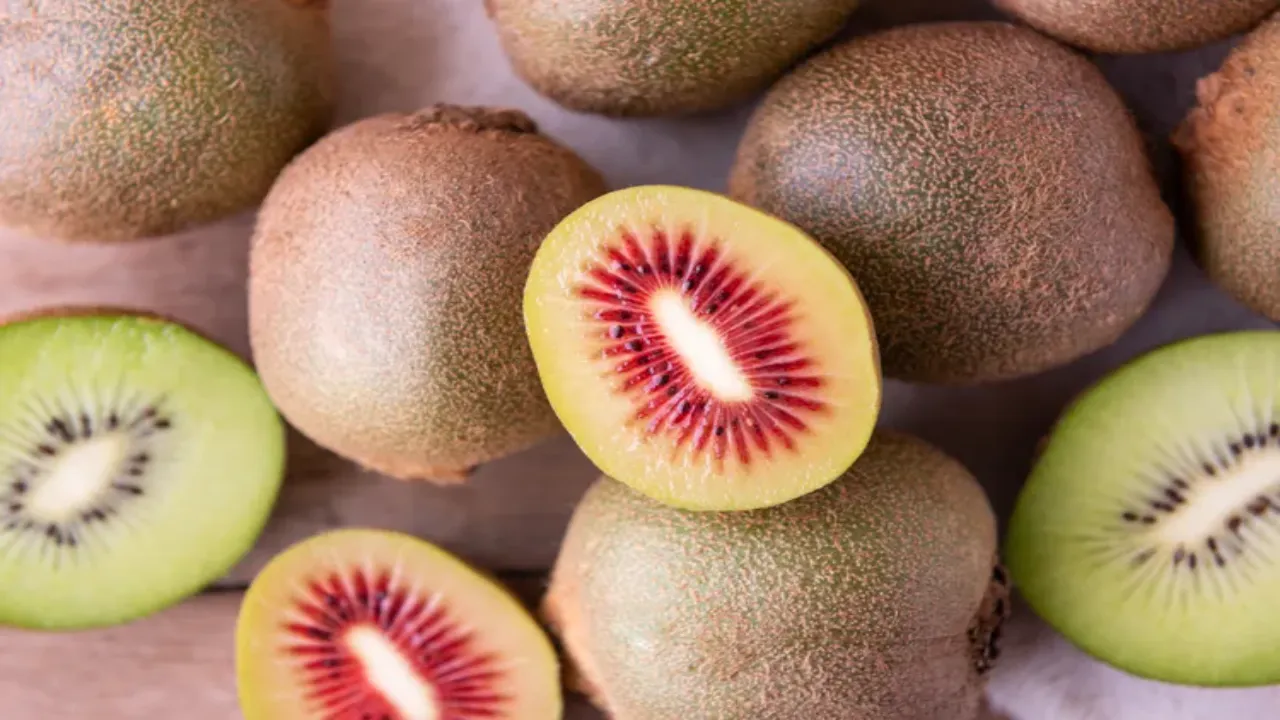
However, kiwi is not the perfect fruit for everyone. Its natural acidity can bother some people, and it can trigger allergic reactions in those who are sensitive to it. Understanding what kiwi can realistically do for your health—and where its benefits have limits—can help you decide how to include it in your daily diet.
1. Kiwi Fruit Is Packed With Vitamin C and Essential Nutrients
One of kiwi’s biggest nutritional advantages is its high vitamin C content. Vitamin C helps the body produce collagen, supports normal immune function, and improves the absorption of iron from plant-based foods. A single medium green kiwi can provide a substantial portion of an adult’s daily vitamin C requirement.
Kiwi also contains dietary fiber, vitamin K, folate, and potassium. Its nutrient content varies by variety and size, but both green and gold kiwis can be useful additions to a balanced diet.
| Nutrient in 1 medium green kiwi | Approximate amount | Main role |
|---|---|---|
| Calories | 42 | Provides energy |
| Carbohydrates | 10 g | Fuels everyday activity |
| Natural sugars | 6 g | Supplies energy |
| Fiber | 2 g | Supports digestive health |
| Vitamin C | 56 mg | Supports immune function and collagen production |
| Potassium | 215 mg | Helps normal muscle and nerve function |
| Vitamin K | 30 mcg | Supports normal blood clotting |
| Folate | 17 mcg | Helps cells grow and divide |
These figures are approximate and can vary with the fruit’s size, ripeness, and variety. Gold kiwis often contain even more vitamin C than green kiwis, while green kiwis are well known for their fiber content.
Kiwi is also relatively low in calories, making it an easy way to add nutrients to breakfast or a snack. Eating the whole fruit provides fiber that is reduced or absent in many fruit juices.
2. Kiwi May Help Support Digestion and Relieve Constipation
Digestive health is one of the most widely discussed benefits of kiwi. The fruit provides fiber, which helps maintain regular bowel movements, and it contains an enzyme called actinidin. This enzyme can help break down certain proteins during digestion.

Research has examined whether eating kiwi can help people with constipation and improve bowel regularity. Some studies suggest that consuming two green kiwis daily may improve stool frequency and consistency in certain adults. However, individual results vary, and kiwi is not a guaranteed treatment for every digestive problem.
| Digestive feature | How kiwi may help | What to know |
|---|---|---|
| Dietary fiber | Helps support regular bowel movements | Increase fiber gradually if your diet is low in it |
| Actinidin enzyme | Helps break down some dietary proteins | It does not replace the body’s normal digestive processes |
| Water content | Contributes to fluid intake | Drink enough water throughout the day |
| Whole-fruit structure | Provides fiber along with natural sugars | Whole kiwi is generally preferable to strained juice |
For people who occasionally experience constipation, kiwi may be a useful food to try alongside adequate hydration, regular movement, and a fiber-rich diet. Eating one or two kiwis may be a practical starting point, depending on tolerance.
Persistent constipation, blood in the stool, unexplained weight loss, or severe abdominal pain should not be managed with fruit alone. These symptoms deserve medical evaluation.
3. Kiwi’s Vitamin C May Support Immunity and Skin Health
Vitamin C is essential for the normal functioning of the immune system. It helps immune cells work properly and supports the body’s ability to repair tissues. Kiwi can contribute a meaningful amount of this nutrient without requiring supplements.
Still, eating kiwi does not make someone immune to colds, flu, or other infections. A healthy immune system depends on several factors, including a balanced diet, adequate sleep, physical activity, and appropriate vaccinations.

Kiwi’s vitamin C content also matters for skin health. The vitamin is needed to make collagen, a protein that helps maintain the structure of skin, blood vessels, bones, and connective tissues. Getting enough vitamin C through food supports these normal processes, but kiwi should not be presented as a quick fix for wrinkles or other skin concerns.
| Nutrient or feature | Potential benefit | Realistic expectation |
|---|---|---|
| Vitamin C | Supports normal immune function | Helps meet nutritional needs but does not prevent every infection |
| Vitamin C | Supports collagen formation | Contributes to normal skin structure |
| Antioxidant compounds | Help protect cells from oxidative damage | Benefits depend on the overall diet and body processes |
| Folate | Supports normal cell growth and division | Contributes to everyday nutritional needs |
Kiwi contains other plant compounds that researchers study for their antioxidant activity. These compounds are part of the reason a varied diet rich in fruits and vegetables is recommended.
For better nutritional balance, combine kiwi with other produce rather than relying on it as your only source of vitamin C. Bell peppers, citrus fruits, berries, and broccoli also provide useful nutrients.
4. Can Kiwi Help With Heart Health, Blood Pressure, and Weight Management?
Kiwi contains potassium, a mineral that helps regulate fluid balance and supports normal nerve and muscle function. Potassium also plays a role in blood pressure regulation, particularly as part of an eating pattern that includes plenty of fruits and vegetables and limits excessive sodium.
Some research has examined kiwi consumption and changes in blood pressure or other cardiovascular markers. Results are promising in certain studies, but they do not mean kiwi alone can prevent heart disease or replace treatment for high blood pressure.

| Health goal | What kiwi contributes | Helpful habit |
|---|---|---|
| Blood pressure support | Potassium and other nutrients | Eat a varied diet with less excess sodium |
| Heart health | Fiber and plant compounds | Combine fruit with vegetables, whole grains, and nuts |
| Weight management | Relatively few calories per fruit | Use whole fruit in place of higher-calorie snacks |
| Better snack choices | Natural sweetness and fiber | Pair kiwi with plain yogurt or a small serving of nuts |
Kiwi may also be useful for people trying to manage their weight. A medium fruit contains relatively few calories while providing a sweet, refreshing snack. Its fiber can contribute to fullness, although the effect depends on the rest of the meal and the person’s appetite.
The key is substitution. Replacing a sugary dessert with whole kiwi may reduce the calories in that eating occasion. Adding kiwi on top of an unchanged diet does not automatically cause weight loss.
People with chronic kidney disease or those advised to limit potassium should follow their healthcare professional’s dietary guidance. Whether kiwi is appropriate depends on individual kidney function, blood potassium levels, and treatment.
5. Green vs. Gold Kiwi: Which One Is Better for You?
Green and gold kiwis share many nutritional benefits, but they differ in taste, texture, and some nutrient levels. Green kiwi is usually tangier, with bright green flesh and a slightly firmer texture. Gold kiwi tends to taste sweeter and may be more appealing to people who find green kiwi too sour.
Gold varieties often contain more vitamin C, while green kiwi is a useful source of fiber. The exact difference depends on the variety and fruit size, so there is no single winner for every nutritional goal.

| Feature | Green kiwi | Gold kiwi |
|---|---|---|
| Taste | Tangy and slightly tart | Sweeter and milder |
| Flesh | Bright green with tiny black seeds | Yellow or golden flesh |
| Vitamin C | High | Often higher, depending on variety |
| Fiber | A useful source | Also provides fiber |
| Best choice | People who prefer a tangy fruit | People who prefer a sweeter taste |
Both types can fit into a healthy eating pattern. Choosing the fruit you enjoy is often more helpful than focusing on small nutritional differences.
Kiwi can be eaten on its own, sliced over oatmeal, mixed into plain yogurt, or added to a fruit salad. It can also pair well with iron-containing plant foods, such as oats or beans, because vitamin C helps the body absorb non-heme iron.
If you prefer eating kiwi with the skin, wash it thoroughly under clean running water first. The skin is edible and contains additional fiber, although its texture may not appeal to everyone. Peeling the fruit is also perfectly fine.
6. Hidden Risks: Who Should Be Careful With Kiwi Fruit?
Most people can enjoy kiwi safely, but several issues are worth knowing before making it a daily habit. The most important is allergy. Kiwi can trigger reactions ranging from itching in the mouth to more serious symptoms, particularly in people who are sensitive to certain pollens or other fruits.
| Potential concern | Possible issue | What to do |
|---|---|---|
| Kiwi allergy | Mouth itching, hives, swelling, or breathing problems | Stop eating it; seek emergency help for severe symptoms |
| Oral irritation | Tingling or soreness in the mouth | Avoid it if symptoms recur or worsen |
| Acid sensitivity | May aggravate discomfort in some people with reflux | Try a smaller portion or avoid it if it triggers symptoms |
| Excessive intake | Can cause digestive discomfort in some people | Increase portions gradually |
| Potassium restrictions | May not fit every kidney-related diet | Follow individualized medical advice |
Kiwi allergy deserves particular attention
Some people experience oral allergy syndrome, in which raw fruits cause itching or tingling in the mouth, often because of cross-reactions with pollen allergens. Kiwi can also cause more serious allergic reactions in some individuals.

Stop eating kiwi if it repeatedly causes symptoms. Swelling of the tongue or throat, difficulty breathing, faintness, or rapidly developing widespread symptoms may indicate anaphylaxis and require emergency medical attention.
Can kiwi cause stomach discomfort?
Kiwi’s acidity and fiber may bother some people, particularly those with sensitive digestion or reflux. Others may notice loose stools or abdominal discomfort if they eat more than they tolerate. There is no need to force yourself to eat kiwi daily to obtain its benefits; other fruits can provide similar nutrients.
People taking anticoagulant medication should also avoid making major dietary changes without checking relevant medical advice if they have been told to keep vitamin K intake consistent. Kiwi contains vitamin K, although the amount in an ordinary serving is not unusually high compared with many leafy vegetables.
FAQ: Kiwi Fruit and Its Health Benefits
1. Is it good to eat kiwi every day?
For most people, yes. One or two kiwis can be part of a balanced diet and provide vitamin C, fiber, and other nutrients. The appropriate amount depends on your tolerance, overall diet, and medical needs.
2. Is kiwi better to eat in the morning or at night?
There is no universally best time to eat kiwi. You can enjoy it at breakfast, as an afternoon snack, or with dinner. If acidic foods trigger reflux for you, avoid eating kiwi close to bedtime when it worsens your symptoms.
3. Does kiwi help relieve constipation?
Kiwi provides fiber, and research suggests that eating it regularly may improve bowel frequency and stool consistency in some people. It can support digestive health, but persistent or severe constipation may require medical assessment.
4. Which is healthier, green kiwi or gold kiwi?
Both are nutritious. Gold kiwi often contains more vitamin C, while green kiwi is a useful source of fiber. The best choice depends on taste, availability, and your dietary needs.
5. Can people with diabetes eat kiwi?
Kiwi can fit into many diabetes meal plans because it provides fiber and carbohydrates in a relatively small serving. Portion size and individual blood glucose responses matter, so follow your healthcare professional’s advice and personalized meal plan.