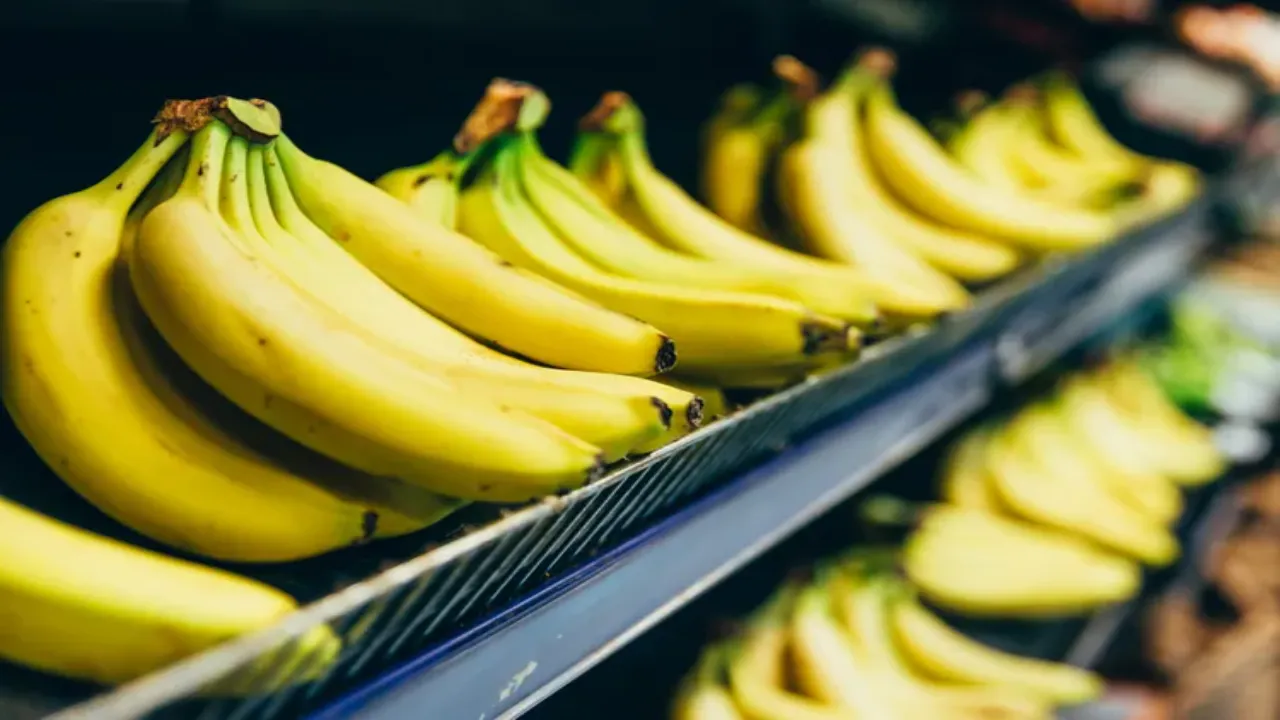
For most healthy people, bananas can be a nutritious part of a balanced diet. They provide carbohydrates for energy, potassium for normal muscle and nerve function, and vitamin B6, which supports several important processes in the body. They also contain fiber, which helps support digestive health.
However, a person’s health conditions, medication use, portion sizes and overall eating habits can affect how bananas fit into their diet. People with certain kidney problems, for example, may need to monitor potassium intake, while those managing diabetes may want to pay attention to portion size and the ripeness of the fruit.
Understanding the benefits and limitations of bananas can help you decide how often to eat them and how to make the most of their nutritional value.
1. Bananas Provide Nutrients That Support Everyday Health
Bananas contain several essential nutrients despite their relatively simple appearance. Their most prominent nutritional feature is carbohydrate, which the body uses as a source of energy. This makes bananas a convenient option before physical activity or as part of breakfast.
A medium banana, weighing approximately 118 grams without its peel, provides around 105 calories. It also supplies potassium, vitamin B6, vitamin C and dietary fiber.
The following table gives approximate nutritional values for one medium banana. Actual values vary with size and variety.
| Nutrient | Approximate amount | Main role |
|---|---|---|
| Calories | 105 | Provides energy |
| Carbohydrates | 27 g | Fuels the body |
| Dietary fiber | 3.1 g | Supports digestion |
| Potassium | 422 mg | Supports muscle and nerve function |
| Vitamin B6 | 0.4 mg | Supports metabolism and nervous system function |
| Vitamin C | 10 mg | Supports immune function and collagen production |
| Protein | 1.3 g | Helps maintain and repair body tissues |
Bananas are not a complete meal on their own because they provide relatively little protein and fat. Pairing one with plain yogurt, nuts, eggs or another protein-rich food can create a more balanced snack or breakfast.
Their convenience is also an advantage. Unlike many packaged snacks, bananas require no preparation, and their natural sweetness can help satisfy a craving for something sweet without added sugar.
2. Potassium in Bananas Helps Support Healthy Blood Pressure
One of the best-known benefits of bananas is their potassium content. Potassium is an essential mineral that helps regulate fluid balance, supports normal nerve signaling and allows muscles to contract properly. The heart also depends on potassium to maintain its normal electrical activity.

Potassium can contribute to healthy blood pressure by helping the body manage the effects of sodium. For people who consume too much sodium, eating a balanced diet that includes potassium-rich foods may help support blood pressure control.
However, eating bananas alone will not reliably lower high blood pressure. The overall diet matters more than any individual fruit. Vegetables, beans, potatoes, leafy greens and other potassium-containing foods can contribute to a varied eating pattern.
Reducing excess sodium, staying physically active and following medical advice remain important parts of blood pressure management.
Bananas also contain relatively little sodium naturally, making them a useful addition to many heart-conscious diets. Their potassium content, however, means that some people need to be cautious.
People with chronic kidney disease may have difficulty removing excess potassium from the blood. Certain medications can also increase potassium levels. Anyone who has been advised to restrict potassium should follow their clinician’s recommendations rather than increasing banana consumption without checking first.
3. Can Bananas Improve Digestion and Help With Constipation?
Bananas contain dietary fiber, which helps support regular bowel movements and overall digestive health. A medium banana provides roughly three grams of fiber, contributing to daily fiber intake.
The type and amount of carbohydrate in a banana change as it ripens. Less-ripe bananas contain more resistant starch, a type of carbohydrate that is not fully digested in the small intestine. Some of it reaches the large intestine, where gut bacteria can ferment it.
This process may support beneficial gut bacteria, although the effect depends on the person’s overall diet and digestive health.

As bananas ripen, some of their starch converts into sugars, making the fruit softer and sweeter. Ripe bananas may be easier for some people to chew and digest, while less-ripe bananas provide more resistant starch.
Bananas are not a guaranteed treatment for constipation. Fiber intake, fluid consumption, physical activity and underlying medical conditions all influence bowel habits. For some people, eating a banana without drinking enough fluids or consuming other fiber-rich foods will not make a meaningful difference.
For better digestive health, bananas can be combined with oats, whole grains, beans, vegetables and other fruits. Increasing fiber gradually and drinking adequate fluids can help reduce the chance of bloating or discomfort.
Persistent constipation, severe abdominal pain or blood in the stool should not be managed through dietary changes alone. These symptoms may require medical assessment.
4. Are Bananas Good for Energy, Exercise and Weight Management?
Bananas provide carbohydrates that the body can use for energy, making them a practical snack before exercise or between meals. Their portability and lack of preparation also make them useful for people who need something convenient while traveling or working.
During prolonged or intense exercise, carbohydrates help maintain energy availability. A banana can contribute to carbohydrate intake before activity, although the best choice depends on the exercise duration, intensity and individual tolerance.
After exercise, bananas can supply carbohydrates that help replenish energy stores. Pairing them with a protein source, such as yogurt or milk, can provide additional nutrients needed for recovery.
Bananas can also fit into a weight-management plan. Their fiber and solid-food structure may help some people feel satisfied, particularly when compared with sugary drinks or sweets that provide similar calories with fewer nutrients.

Still, bananas are not a weight-loss food in the sense that they automatically burn fat. Weight change depends on overall energy intake, activity, sleep, health and other factors.
| Eating situation | How bananas may help | Useful pairing |
|---|---|---|
| Quick breakfast | Supplies carbohydrates and fiber | Oats or plain yogurt |
| Before exercise | Provides convenient energy | Water and a balanced meal when needed |
| Afternoon snack | Offers natural sweetness | Nuts or seeds |
| After exercise | Helps replenish carbohydrates | Milk or another protein source |
The important point is balance. One banana can fit into many diets, but relying on fruit alone for every meal may leave gaps in protein, healthy fats and other nutrients.
5. Hidden Risks: When Eating Bananas May Require Caution
Although bananas are safe for most people, a few situations call for extra attention.
The first is potassium management. Healthy kidneys usually regulate potassium effectively, but advanced kidney disease can interfere with that process. High potassium levels can affect the heart’s electrical activity and may become dangerous. People with kidney disease or a prescribed low-potassium diet should ask their healthcare team how bananas fit into their individual plan.
The second concern is blood glucose management. Bananas contain natural sugars and carbohydrates, which contribute to blood glucose after eating. People with diabetes do not necessarily need to avoid bananas, but portion size, ripeness and the rest of the meal can influence the glucose response.
Eating a smaller banana or pairing it with protein and healthy fats may help some people manage their meals more comfortably. Individual responses differ, so people who monitor blood glucose can use their readings and healthcare advice to guide choices.
Other considerations include:
-
People with a banana allergy should avoid bananas and seek medical advice about allergic reactions.

-
Some people with irritable bowel syndrome may experience digestive symptoms from bananas, depending on ripeness, serving size and personal tolerance.
-
Eating very large quantities of any single food can reduce dietary variety.
-
People taking medicines that affect potassium levels should ask a clinician or pharmacist whether dietary adjustments are needed.
Bananas contain natural sugar, but that does not make them nutritionally equivalent to sugary drinks or candy. Whole fruit also provides fiber, water and useful micronutrients. For most people, the nutritional benefits outweigh concerns about the fruit’s natural sugar when it is eaten in reasonable portions.
6. How Many Bananas Should You Eat in a Day?
There is no universal number of bananas that everyone should eat daily. One medium banana can fit comfortably into a balanced diet for many healthy adults, and some people may eat more depending on their energy needs and overall food choices.
The more important question is whether the diet includes a variety of fruits, vegetables, whole grains, protein sources and healthy fats. Eating several bananas while neglecting other foods is less beneficial than including bananas as one part of a varied diet.
For everyday eating, consider these practical habits:
-
Choose a banana that matches your appetite and activity level.

-
Combine it with protein or healthy fats when you want a more filling snack.
-
Eat different fruits throughout the week rather than relying on one variety.
-
Choose whole bananas more often than fruit drinks or smoothies loaded with added sugar.
-
Follow individual dietary advice if you have kidney disease, diabetes or another condition that affects food choices.
Bananas can be eaten at breakfast, between meals or around exercise. There is no strong evidence that a particular time of day makes them uniquely beneficial for health. What matters most is how they fit into your regular eating pattern.
FAQ: Bananas and Their Health Benefits
1. Is eating a banana every day healthy?
For most healthy people, eating a banana daily can be part of a balanced diet. Bananas provide potassium, fiber, vitamin B6 and carbohydrates. People who need to restrict potassium should follow individualized medical advice.
2. Do bananas help lower blood pressure?
Bananas provide potassium, which supports normal blood pressure regulation. However, eating bananas alone is not a treatment for hypertension. A balanced diet, reduced sodium intake, exercise and prescribed medication when needed are more important.
3. Are bananas safe for people with diabetes?
Many people with diabetes can eat bananas. Portion size and total carbohydrate intake matter because bananas can raise blood glucose. Pairing fruit with other foods and monitoring individual responses may help with meal planning.
4. Are ripe or green bananas healthier?
Both have nutritional benefits. Green bananas contain more resistant starch, while ripe bananas are softer and sweeter because some starch has converted into sugar. The better choice depends on taste, digestive tolerance and individual dietary needs.
5. Can eating too many bananas be harmful?
Eating bananas in ordinary portions is generally safe for healthy people. Very high intake may reduce dietary variety, and people with kidney disease or certain medication-related potassium restrictions may need to limit them. A varied diet is usually the best approach.