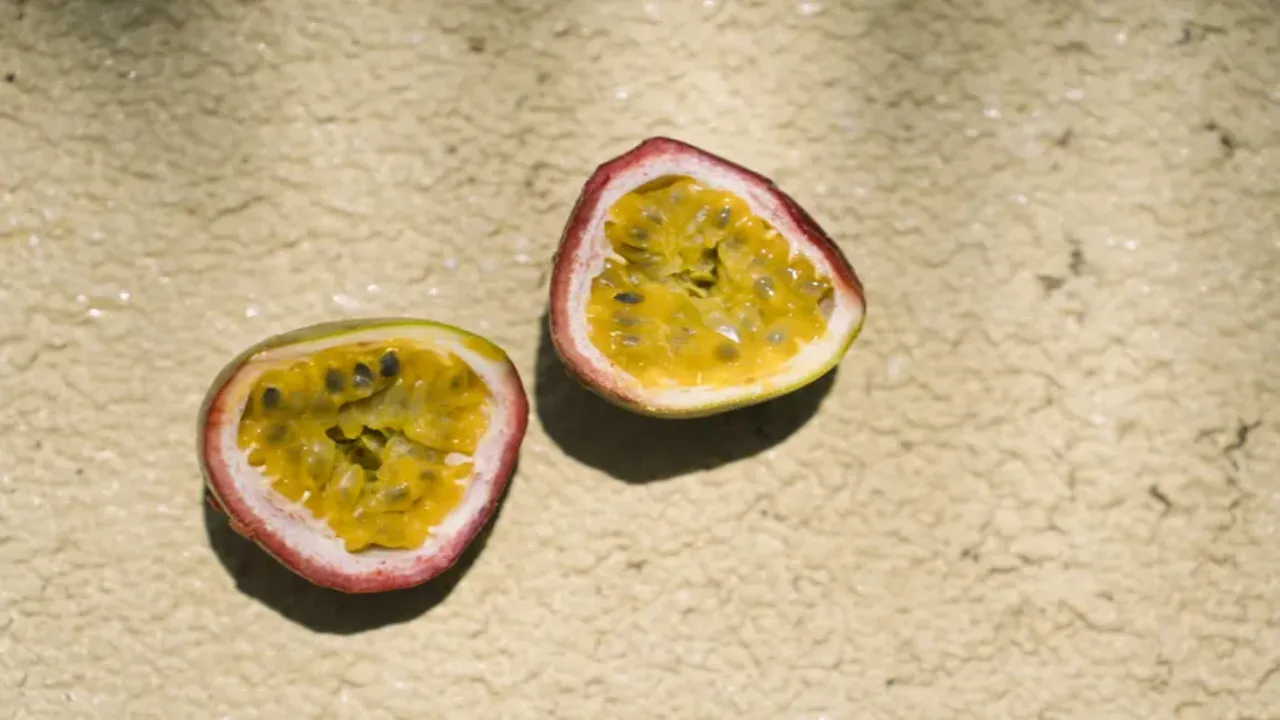
Passion fruit may be small, but its nutritional value makes it worth adding to a balanced diet. With a tangy-sweet flavor, crunchy edible seeds, and a fragrant golden pulp, this tropical fruit offers dietary fiber, vitamin C, and several important minerals. It can be enjoyed on its own, mixed into yogurt, or added to smoothies and breakfast bowls.
But passion fruit is not a miracle food. Its benefits depend on the overall diet, portion size, and how the fruit is prepared. Here are seven potential health benefits, its nutritional profile, and the possible side effects to understand before eating it regularly.
What Is Passion Fruit and What Makes It Nutritious?
Passion fruit is a tropical fruit that grows on a climbing vine. The most familiar varieties have either purple or yellow skin. Inside, the fruit contains juicy pulp and small, crunchy seeds that can be eaten along with the pulp.
Its flavor is distinctly tart, which makes it popular in juices, desserts, sauces, and fruit salads. The whole fruit is also a useful option for people looking to add more variety to their regular fruit intake.
According to USDA-derived nutrition data for raw purple passion fruit, 100 grams contains approximately 97 calories, 10.4 grams of dietary fiber, and 30 milligrams of vitamin C. The fruit also provides potassium, magnesium, iron, and smaller amounts of other vitamins and minerals. Actual values can vary by variety and serving size.
| Nutrient | Approximate amount per 100 g |
|---|---|
| Calories | 97 kcal |
| Carbohydrates | 23.4 g |
| Dietary fiber | 10.4 g |
| Natural sugars | 11.2 g |
| Protein | 2.2 g |
| Total fat | 0.7 g |
| Vitamin C | 30 mg |
| Potassium | 348 mg |
| Magnesium | 29 mg |
These figures describe raw purple passion fruit, not every passion fruit juice or packaged product. Juice, nectar, syrup, and sweetened pulp may have different amounts of fiber, sugar, and calories.
1. Seven Potential Health Benefits of Passion Fruit
Passion fruit supplies several nutrients that play important roles in everyday health. Eating it as part of a varied diet can contribute to the following benefits.

1. Supports healthy digestion
One of the fruit’s biggest nutritional advantages is its fiber content. Dietary fiber helps support regular bowel movements and contributes to normal digestive function.
The seeds are edible and contribute to the fruit’s fiber content. Eating the pulp with its seeds, rather than drinking only strained juice, can help you get more of this nutrient.
People who do not usually eat much fiber should increase their intake gradually and drink enough water. Suddenly adding large amounts of fiber can cause gas, bloating, or abdominal discomfort.
2. Helps support the immune system
Passion fruit contains vitamin C, a nutrient that supports the normal functioning of the immune system. Vitamin C also helps the body produce collagen and improves the absorption of iron from plant-based foods.
Eating passion fruit will not prevent every cold or infection, and no single fruit can replace a balanced diet. However, including vitamin C-rich foods alongside vegetables, legumes, whole grains, and other fruits can help meet daily nutritional needs.
3. Provides antioxidants
Passion fruit contains vitamin C and plant compounds, including carotenoids and polyphenols. These substances can help protect cells from oxidative damage as part of the body’s natural defense systems.

Researchers have studied passion fruit and its plant compounds for a range of potential health effects. However, laboratory findings do not automatically mean that eating the fruit will prevent or treat a particular disease. More human research is needed to establish many of these proposed benefits.
4. Contributes to heart health
Passion fruit provides potassium, a mineral involved in muscle function, fluid balance, and normal blood pressure regulation.
Its fiber content may also be useful within a heart-conscious eating pattern. Still, eating passion fruit alone will not control high blood pressure or lower cholesterol enough to replace medical treatment.
For better overall heart health, combine fruit with vegetables, whole grains, beans, nuts, and other nutritious foods while limiting excess sodium and heavily processed meals.
5. Supports skin health
Vitamin C is needed for collagen production, which helps maintain the structure of skin and other connective tissues. Passion fruit can contribute to vitamin C intake alongside foods such as oranges, guava, berries, and peppers.
Its antioxidant compounds are another reason researchers are interested in the fruit. However, eating passion fruit is not a guaranteed treatment for acne, wrinkles, pigmentation, or other skin concerns. Skin health also depends on sun protection, sleep, hydration, and individual factors.

6. May help you feel satisfied after eating
Fiber adds bulk to food and can help make meals more satisfying. Because passion fruit contains fiber, adding its pulp and seeds to plain yogurt, oatmeal, or a fruit bowl may help create a more filling snack.
The fruit also contains natural sugars and carbohydrates, so portion size still matters. It is not a weight-loss food by itself, and eating it will not automatically cause weight loss.
For a more balanced snack, pair passion fruit with a source of protein, such as unsweetened Greek yogurt, or with a small serving of nuts.
7. Adds useful minerals to your diet
Passion fruit supplies potassium, magnesium, and iron. These minerals contribute to normal body functions, including muscle activity, energy metabolism, and the transport of oxygen through the blood.
The amounts you receive depend on how much fruit you eat. Passion fruit can contribute to a varied diet, but it should not be treated as a substitute for medical care or prescribed supplements when a deficiency has been diagnosed.
2. Potential Side Effects of Passion Fruit
Most people can enjoy ordinary food portions of passion fruit, but a few considerations are worth keeping in mind.

- Digestive discomfort: Eating a large amount at once may cause gas, bloating, or loose stools, particularly if your usual diet is low in fiber.
- Allergic reactions: Although food allergies are not common for everyone, some people can react to passion fruit. Itching, hives, swelling, or breathing difficulties after eating it should be taken seriously. Difficulty breathing or swelling of the throat requires emergency medical attention.
- Acidity and reflux: Passion fruit has a tart, acidic taste. Some people with acid reflux or a sensitive stomach may notice symptoms after eating acidic foods. Individual tolerance varies.
- Added sugar in juice: Sweetened passion fruit drinks, syrups, and juice blends may contain substantial added sugar. Check the ingredient list and nutrition label rather than assuming every passion fruit product has the same nutritional value.
- Kidney-related dietary restrictions: Passion fruit contains potassium. People with certain kidney conditions or prescribed potassium restrictions should follow their clinician’s dietary advice rather than making large changes to fruit intake without guidance.
The whole fruit and concentrated extracts are not interchangeable. Research on passion fruit peel powders, extracts, or supplements does not establish that taking those products provides the same effects as eating fresh pulp.
3. How to Choose, Prepare, and Eat Passion Fruit
A ripe passion fruit often has a rich color and may feel slightly heavy for its size. Purple varieties commonly become wrinkled as they ripen; a wrinkled surface does not necessarily mean the fruit has spoiled. Avoid fruit with leaking pulp, mold, or an unpleasant smell.
To prepare it, rinse the outside, cut the fruit in half, and scoop out the pulp with a clean spoon. The seeds are edible, so there is no need to remove them unless you prefer a smoother texture.
| Serving idea | How to enjoy it |
|---|---|
| Fresh fruit | Scoop the pulp directly from the shell |
| Breakfast | Add pulp to oatmeal or plain yogurt |
| Smoothie | Blend with banana or mango |
| Fruit salad | Mix with berries and other tropical fruits |
| Dressing | Combine a little pulp with oil and seasonings |
For everyday eating, fresh pulp is a straightforward choice because you can control what goes into the dish. If you buy a bottled drink, look for products with little or no added sugar. A product labeled “passion fruit” may contain only a small amount of the fruit, so check the ingredients.
4. How Much Passion Fruit Should You Eat?
There is no single portion that is ideal for everyone. Your needs depend on your overall diet, appetite, digestive tolerance, and any medical dietary restrictions.
A practical approach is to start with one or two fruits and see how you tolerate them. You can add the pulp to a meal or snack rather than eating a large quantity all at once.

People who are increasing their fiber intake should do so gradually. If passion fruit triggers stomach discomfort, reduce the portion or take a break and see whether symptoms improve.
If you have diabetes, remember that whole passion fruit contains carbohydrates and natural sugars. It can still fit into many balanced eating plans, but portion size and the rest of the meal matter. If you have kidney disease or have been told to restrict potassium, ask your healthcare professional whether and how much passion fruit is suitable for your specific diet.
FAQ
1. What are the main health benefits of passion fruit?
Passion fruit provides dietary fiber, vitamin C, potassium, and antioxidant plant compounds. These nutrients support normal digestion, immune function, collagen production, and other everyday body functions.
2. Can you eat passion fruit seeds?
Yes. The small seeds inside passion fruit are edible and contribute to its fiber content. You can swallow them with the pulp or strain them out if you prefer a smoother texture.
3. Is passion fruit good for weight loss?
It can fit into a balanced weight-management diet because it provides fiber and can add flavor to meals without requiring added sugar. However, no single fruit causes weight loss on its own. Overall food intake and physical activity matter more.
4. Is it better to eat passion fruit or drink its juice?
Eating the whole fruit generally provides more fiber than drinking strained juice. Packaged drinks may also contain added sugar. When possible, choose fresh pulp or a product with minimal added ingredients.
5. Who should be careful when eating passion fruit?
People with a passion fruit allergy should avoid it. Those who experience reflux or digestive discomfort may need smaller portions. People following a potassium-restricted diet because of certain kidney conditions should check with their healthcare professional before increasing their intake.