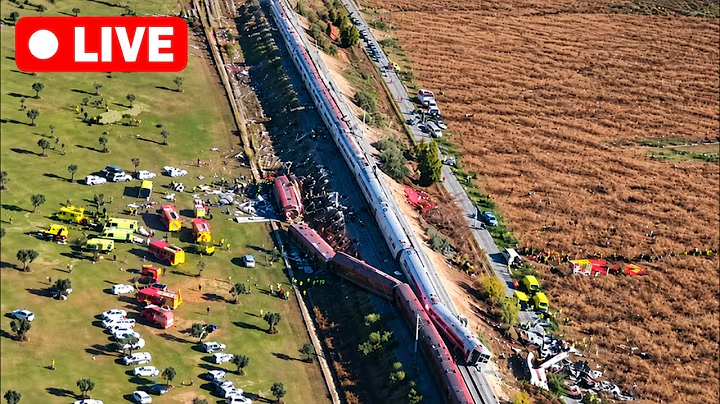
Train Crash : Spain is mourning after a devastating high-speed train crash killed at least 68 people in central Spain on Wednesday, October 28, 2026. The collision involved two passenger trains traveling toward southern Spain, leaving wrecked carriages, injured passengers, and families waiting desperately for news of their loved ones.
Spanish Prime Minister Pedro Sánchez expressed his condolences to the victims and their families, promising a thorough investigation into the circumstances surrounding the tragedy. As rescue workers continued their efforts, the disaster raised fresh questions about railway safety and the systems designed to protect passengers.
The crash occurred in the province of Toledo, near the towns of Urda and Los Yébenes. According to the Associated Press, regional authorities reported at least 68 deaths and said another 58 people required hospital treatment. The figures and details of the incident remained subject to official updates.
What Happened in the Spain High-Speed Train Crash?
The Spain train crash occurred on a railway line connecting Madrid with destinations in southwestern Spain. Two high-speed passenger trains operated by Renfe and Iryo were involved in the collision.
One train struck the rear of another train that had stopped on the tracks. The impact severely damaged several carriages, with some sections of the trains pushed off the rails.
The accident happened in a rural area of Toledo province, where emergency teams rushed to the scene to rescue passengers and provide medical assistance.
Witness accounts described a powerful impact that sent luggage and personal belongings flying throughout the carriages. Some passengers escaped through windows while others waited for emergency workers to reach them.
Hundreds of people were traveling on the two trains, making the rescue operation especially challenging.

Pedro Sánchez Says Spain Is United in Grief
Prime Minister Pedro Sánchez expressed his sorrow following the collision and pledged that authorities would investigate the incident fully.
Sánchez traveled to the accident site to support emergency personnel and offer assistance to those affected. He also emphasized the need for coordination among government agencies as rescue operations continued.
The prime minister promised that any negligence uncovered during the investigation would be addressed firmly. His response reflected the seriousness of the tragedy and the need to establish exactly what went wrong.
Spain’s royal family also expressed condolences to the victims and their loved ones. King Felipe VI and Queen Letizia shared messages of support for those injured and the emergency personnel working at the scene.
The disaster prompted an outpouring of sympathy across Spain, as families, communities, and officials mourned the victims.
How Many People Were Killed or Injured?
The Associated Press reported at least 68 deaths following the collision, while regional authorities said 58 people needed hospital treatment.
Emergency teams continued searching the most severely damaged carriages for survivors and victims. The condition of the wreckage made some parts of the rescue operation particularly difficult.

Firefighters, police officers, medical teams, and other emergency personnel worked together to evacuate survivors and transport injured passengers to nearby hospitals.
Authorities were also working to identify victims and notify their families. The full impact of the collision was still being assessed as more information became available.
Which Trains Were Involved in the Accident?
The crash involved two railway operators serving Spain’s high-speed passenger network.
- Renfe: Spain’s state-owned railway company, which operates passenger services across the country.
- Iryo: A private high-speed rail operator that began services in Spain in 2022.
Both trains were traveling from Madrid toward southern Spain and were carrying hundreds of passengers.
Following the collision, rail services between Madrid, Ciudad Real, and Andalusia were suspended. The disruption affected travelers and required railway authorities to coordinate alternative arrangements while emergency operations and investigations proceeded.
Passengers planning journeys through the affected area were advised to check official railway announcements for updated travel information.
What Caused the Deadly Train Collision?
Investigators are examining the circumstances that led one train to strike another that had stopped on the tracks.

Spain’s Transport Minister Óscar Puente described a possible failure involving a railway safety system and the subsequent instructions issued by the central control center. According to his preliminary account, a computer malfunction affected safety systems along a section of track, causing trains to stop.
The investigation is examining why the Renfe train was instructed to resume movement while the Iryo train remained stationary ahead.
Authorities are also assessing the signaling system, communications between railway control personnel and train crews, and the speed of the train at the time of impact.
These details remain part of the developing investigation. A final report will be needed to establish the precise cause of the collision and determine whether technical failures, operational decisions, or other factors contributed to the tragedy.
Spain Faces Renewed Railway Safety Concerns
The latest collision has renewed concerns about the safety of Spain’s high-speed rail network.
Spain has invested heavily in high-speed railway infrastructure, connecting major cities and providing an important transportation option for millions of passengers.
However, the country also suffered another deadly railway collision earlier in 2026, when 46 people died in an accident involving trains operated by the same companies, according to the Associated Press.

The two disasters have intensified questions about railway maintenance, signaling technology, train movements, and the procedures used when safety systems fail.
Investigators will need to establish whether the latest crash was an isolated incident or whether broader safety improvements are necessary.
Emergency Response and Travel Disruptions
Emergency crews worked through the wreckage to locate victims, assist survivors, and transport injured passengers to hospitals.
Military emergency personnel joined firefighters, police officers, and medical teams at the site. Ambulances and medical helicopters were used to support the response.
Meanwhile, the suspension of train services affected connections between Madrid and parts of southern Spain.
Railway operators and authorities were expected to provide updates as conditions changed. Travelers were encouraged to confirm their reservations and service status before heading to stations.
What Happens Next in the Investigation?
The investigation will examine train records, signaling data, communications from the railway control center, and physical evidence recovered from the accident site.

Officials will also work to establish the complete sequence of events before the collision and determine whether railway procedures were followed correctly.
For the victims’ families, the immediate priority is receiving accurate information and support. For survivors, recovery may involve both physical treatment and emotional support following the traumatic experience.
The Spain high-speed train crash has left the country facing a period of mourning while authorities work to answer difficult questions about passenger safety.
As the investigation continues, officials are expected to provide further updates on the casualties, the cause of the collision, and any measures needed to prevent similar tragedies.
1. How many people died in the Spain train crash?
The Associated Press reported at least 68 deaths on October 28, 2026. The casualty figures should be checked against the latest official announcements because information was still developing.
2. Where did the Spanish train crash happen?
The collision occurred in Toledo province in central Spain, near the towns of Urda and Los Yébenes.
3. Which trains were involved in the collision?
The trains were operated by Renfe, Spain’s state-owned railway company, and Iryo, a private high-speed rail operator.
4. What caused the Spain high-speed train crash?
Authorities were investigating a possible railway safety-system malfunction and instructions issued by the central control center. The final cause had not yet been established.
5. Did the train crash affect railway services?
Yes. Services between Madrid, Ciudad Real, and Andalusia were suspended following the collision. Travelers should consult official railway updates for current service information.