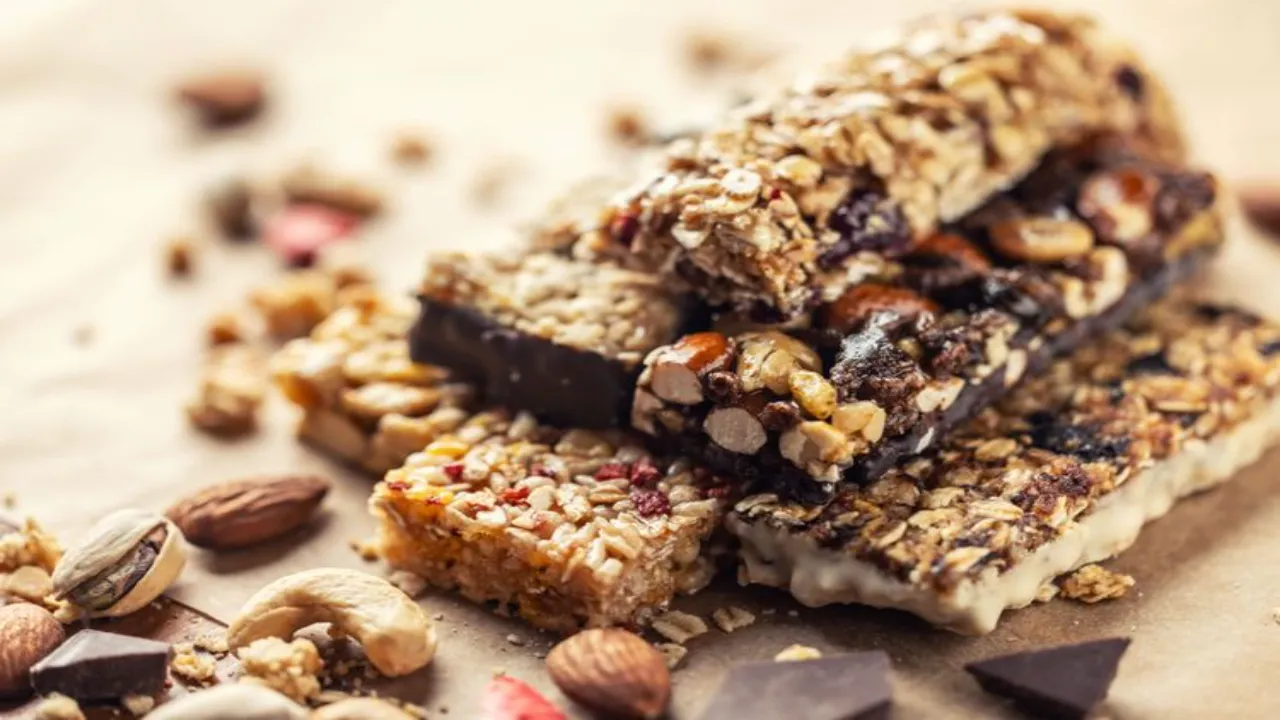
Sugary Cereals and Granola Bars: Sugary cereals and granola bars are often marketed as convenient breakfast choices for busy families, students and working professionals. Colorful packaging, claims about whole grains and pictures of fresh fruit can make these products look like a smart way to start the day. But a closer look at their nutrition labels may reveal something many shoppers overlook: added sugar.
A bowl of cereal with milk or a granola bar eaten on the way to work may seem like a small part of the daily diet. However, when these foods are combined with sweetened coffee, flavored yogurt, packaged juice and other snacks, added sugar can accumulate quickly. The problem is not that every cereal or granola bar is unhealthy. It is that products with very different nutritional profiles often sit next to one another on supermarket shelves, making it difficult to distinguish genuinely nutritious choices from those that mainly deliver sweetness.
Understanding how much sugar these products contain, how manufacturers describe them and what to look for on the packaging can help shoppers make better decisions without giving up the convenience of a quick breakfast.
Why Sugary Cereals and Granola Bars Deserve a Closer Look
Breakfast cereals and granola bars occupy a special place in the packaged food market because they are easy to prepare, portable and widely available. Parents may choose them for children heading to school, while adults often keep them in office drawers, gym bags or cars for busy mornings.
Manufacturers frequently highlight ingredients such as oats, wheat, nuts, seeds and dried fruit. These ingredients can provide useful nutrients, including fiber, minerals and, depending on the product, protein. Yet the presence of nutritious ingredients does not automatically mean the finished product contains little added sugar.
Some breakfast cereals use sugar, syrups, honey or other sweetening ingredients to improve flavor and texture. Granola bars can contain similar ingredients, even when the front of the package emphasizes oats, natural ingredients or energy.
The distinction matters because consumers may judge a product by its overall image rather than its complete nutrition information. A cereal made with whole grains can still contain substantial added sugar, while a simple oat-based bar with nuts and little or no added sweetener may offer a different nutritional balance.

Portion size is another important factor. The amount poured into a breakfast bowl may be considerably larger than the serving size listed on the package. A person who eats two servings without realizing it could consume twice the sugar shown in the nutrition panel.
How Much Sugar Can These Breakfast Foods Contain?
Sugar content varies considerably by brand, flavor and serving size. Chocolate-coated cereals, frosted flakes and honey-flavored granola bars may have different amounts from plain whole-grain cereals or unsweetened oat bars.
The following table illustrates how shoppers can compare products using hypothetical examples. These figures are illustrative, not measurements from specific brands.
| Breakfast food | Example serving | Example total sugar |
|---|---|---|
| Sweetened breakfast cereal | 30 g | 10 g |
| Granola bar | 40 g | 8 g |
| Plain rolled oats | 40 g dry | 1 g |
Actual values can be higher or lower, so the nutrition label on the specific package should always guide the comparison. Total sugar also includes naturally occurring sugar, such as that found in milk or certain fruits, where applicable. Added sugar is the amount introduced during manufacturing or preparation.
For context, the American Heart Association recommends that most women limit added sugar to no more than 25 grams per day and most men to no more than 36 grams per day. These are general recommendations, not universal limits for every person.
Using the illustrative figures above, a bowl of sweetened cereal containing 10 grams of sugar and a granola bar containing another 8 grams would provide 18 grams before accounting for any other food or drink consumed that day.

That does not automatically make the breakfast unhealthy. The overall diet, portion sizes, fiber, protein and individual nutritional needs all matter. However, the example shows why checking labels can be more useful than relying on a product’s appearance or marketing.
The Packaging Claims That Can Confuse Shoppers
Words on the front of a cereal box or granola bar wrapper can influence purchasing decisions before consumers ever examine the nutrition panel.
Terms such as “whole grain,” “made with oats,” “multigrain” and “honey flavored” describe certain ingredients or characteristics, but they do not necessarily indicate how much added sugar a product contains.
A product can contain whole grains and still be heavily sweetened. Similarly, honey and syrups may sound different from ordinary table sugar, but they still contribute sugars to the diet.
Shoppers should also distinguish between “no added sugar” and “sugar-free.” These claims are not interchangeable. A product without added sugar may still contain naturally occurring sugars from ingredients such as dried fruit or milk. A sugar-free product, meanwhile, may use alternative sweeteners, depending on its formulation and local labeling rules.
The ingredient list provides another useful clue. Ingredients are generally listed in descending order by weight, subject to the applicable country’s labeling regulations. If sugar or a syrup appears near the beginning, it may be a significant ingredient.

Names worth recognizing include:
- Sugar
- Glucose syrup
- Corn syrup
- Honey
- Invert sugar
- Dextrose
- Brown rice syrup
- Fruit juice concentrate
These ingredients do not all have identical properties, but they can contribute to a product’s sugar content. Seeing one of them does not automatically mean a food should be avoided. The amount per serving and the product’s overall nutritional value are more informative.
What Happens When Added Sugar Becomes a Daily Habit?
The concern surrounding sugary cereals and granola bars is less about eating one bar occasionally and more about the cumulative effect of dietary habits.
Added sugar supplies calories but contributes relatively few essential nutrients on its own. When foods and drinks high in added sugar regularly displace more nutritious options, it can become harder to maintain a balanced diet.
Frequent high consumption of added sugar is associated with an increased risk of several health problems, including weight gain, tooth decay and poorer metabolic health. The relationship between diet and long-term disease is complex, however, and no single breakfast food determines an individual’s health.
Sweetened breakfast products can also differ in how filling they are. A cereal or bar that provides little fiber or protein may not keep some people satisfied for long. They might feel hungry again soon after eating and reach for additional snacks. This response varies by person, and sugar content alone cannot predict how filling a particular food will be.

Children are another important consideration. Sweet cereals can make breakfast appealing, but regular exposure to highly sweetened foods may reinforce a preference for very sweet flavors. Parents do not need to ban every sweet cereal or treat. Offering a wider variety of foods and making less-sweet options readily available can help children develop balanced eating habits.
The practical goal is moderation rather than fear. A granola bar can be a useful portable snack, especially when it contains nuts, seeds or whole grains. The key is understanding what it provides and how it fits into the rest of the day’s meals.
How to Choose Better Breakfast Cereals and Granola Bars
Choosing a lower-sugar product does not require spending more money or searching for expensive specialty foods. A few simple checks can make supermarket shopping easier.
Start by comparing the nutrition information for similar products. Look at the serving size, total sugars, added sugars where listed, fiber and protein. A cereal with slightly more sugar may still provide more fiber than another option, so judging the entire nutritional profile is more useful than focusing on one number.
Next, consider how much you actually eat. If a package lists a 30-gram serving but your usual bowl contains 60 grams, calculate the nutrition information accordingly. The same principle applies when a granola bar package contains multiple portions.
These practical steps can help:

- Choose plain or lightly sweetened whole-grain cereals more often.
- Compare added sugar per serving when the information is available.
- Look for cereals that provide dietary fiber.
- Consider granola bars containing oats, nuts or seeds without excessive sweeteners.
- Pair cereal with plain milk or unsweetened yogurt rather than adding several sweetened ingredients.
- Add fresh fruit for flavor and additional nutrients.
- Keep an eye on sweetened drinks consumed alongside breakfast.
A homemade breakfast can also be convenient. Plain oats prepared with milk or water, topped with a banana, nuts or seeds, offer a flexible alternative to heavily sweetened cereal. For busy mornings, a simple homemade oat-and-nut snack can provide another option, although its nutritional value depends on the ingredients and portion size.
There is no need to eliminate every packaged breakfast food. Some products provide useful nutrition and fit comfortably into a balanced diet. Reading the label allows shoppers to choose according to their needs, preferences and budget.
FAQ: Sugary Cereals and Granola Bars
1. Are all breakfast cereals high in sugar?
No. Sugar content varies widely between products. Some flavored cereals contain substantial added sugar, while plain oats and many unsweetened whole-grain cereals contain much less. Checking the nutrition panel is the most reliable way to compare options.
2. Are granola bars healthier than candy bars?
Not necessarily. Some granola bars provide whole grains, nuts, seeds and fiber, while others contain considerable amounts of added sugar and similar calorie levels to confectionery products. Compare the ingredients, fiber, protein and sugar content rather than relying on the product category.
3. How much added sugar should adults consume daily?
The American Heart Association recommends limiting added sugar to 25 grams daily for most women and 36 grams daily for most men. Individual requirements and recommendations can differ, and these figures are general guidance rather than a personalized medical target.
4. Does honey count as added sugar in cereal and granola bars?
Yes, when honey is added during manufacturing or preparation, it contributes to added sugar. Although honey has a different flavor and composition from table sugar, it still contributes sugars and calories.
5. What is the best alternative to sugary breakfast cereal?
Plain oatmeal is one practical option because it can be prepared with minimal added sugar. Adding fresh fruit, nuts or seeds can improve its flavor and nutritional variety. Unsweetened whole-grain cereals and plain yogurt paired with fruit are other options, depending on personal preferences and dietary needs.