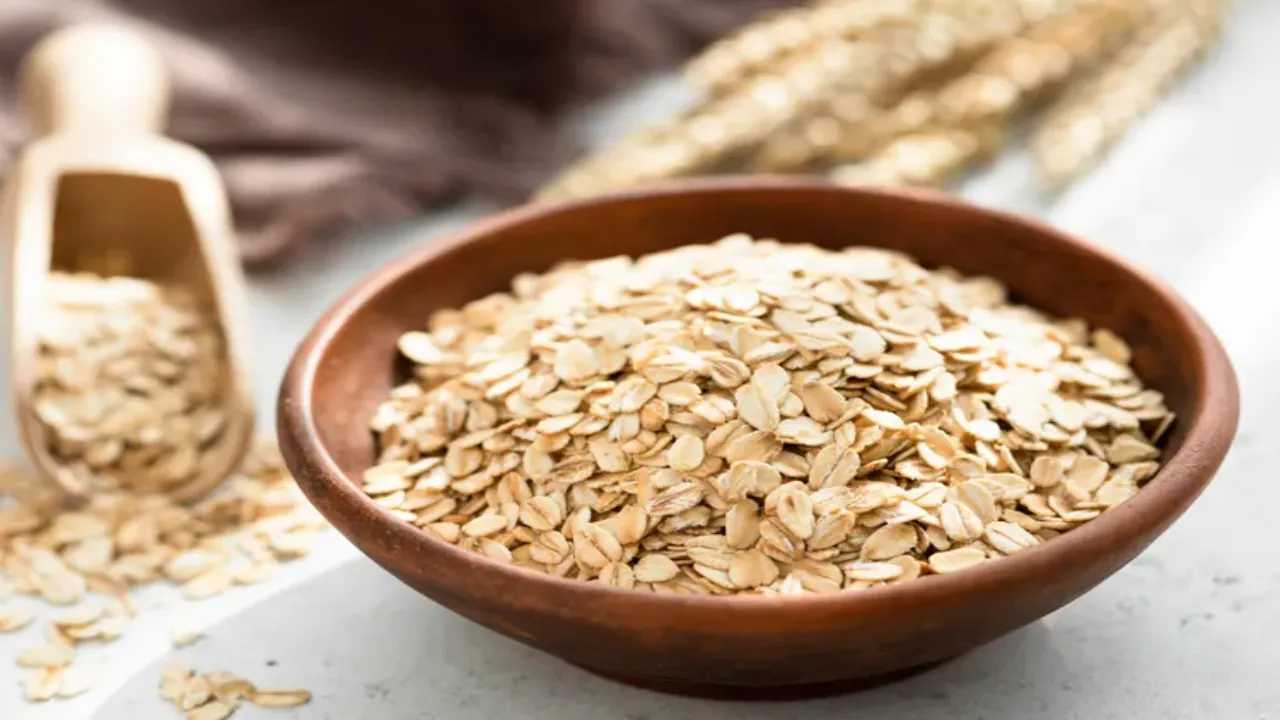
But not every product labeled “multigrain” or “made with whole grains” is equally nutritious. Some packaged cereals contain substantial amounts of added sugar, while certain grain products can be high in sodium. Understanding the difference between whole and refined grains can help you make smarter choices without giving up the foods you enjoy.
1. Oats and Whole Grains: What Makes Them Different?
Oats are a type of whole grain, but whole grains include many other foods, such as brown rice, whole wheat, barley, quinoa and millet. A grain is considered whole when it retains its three main parts: the bran, germ and endosperm.
These parts provide different nutrients. The bran supplies fiber, the germ contains healthy fats and several vitamins, and the endosperm provides much of the grain’s carbohydrate and protein.
Refined grains, such as white flour and white rice, have some parts removed during processing. This can reduce their fiber content and lower the amounts of certain naturally occurring nutrients.
| Food | Main nutritional advantage | Common use |
|---|---|---|
| Oats | Soluble fiber, including beta-glucan | Porridge, overnight oats and baking |
| Brown rice | Fiber and several minerals | Lunch bowls and main meals |
| Whole-wheat bread | Fiber and B vitamins | Sandwiches and toast |
The nutrition of each food depends on its variety, processing and preparation. Whole grains are generally a useful source of complex carbohydrates, but they are not all identical. Oats are especially well known for beta-glucan, a soluble fiber that has been studied for its effects on cholesterol and blood sugar.
2. Health Benefit No. 1: Oats Can Help Support Healthy Cholesterol Levels
One of the best-studied benefits of oats comes from beta-glucan, a type of soluble fiber. When it mixes with water in the digestive system, it forms a gel-like substance that can help reduce the absorption of cholesterol and encourage the body to remove more cholesterol through normal digestive processes.
Regularly eating enough oat beta-glucan as part of a balanced diet can help lower LDL cholesterol, often called “bad” cholesterol. Elevated LDL cholesterol is associated with a higher risk of cardiovascular disease, so this makes oats a useful addition to heart-conscious eating habits.

| Oat food | Practical way to eat it |
|---|---|
| Rolled oats | Cook with milk or water |
| Steel-cut oats | Prepare as a warm breakfast |
| Plain oat bran | Add to porridge or selected recipes |
The amount of beta-glucan matters. Many studies have used around 3 grams of oat beta-glucan daily to help lower cholesterol, although the amount present varies by product and serving size.
Oats do not cancel out the effects of a diet high in saturated fat, and they are not a replacement for prescribed cholesterol medication. Their benefits are most useful when they form part of a broader pattern that includes vegetables, fruit, legumes, nuts and other fiber-rich foods.
3. Health Benefit No. 2: Whole Grains Provide Fiber for Better Digestion
Fiber is essential for normal digestive function, yet many people do not get enough of it. Oats, whole-wheat products, barley and other whole grains can help increase daily fiber intake without requiring major changes to familiar meals.
Some fiber helps soften and regulate stools, while other types support beneficial bacteria in the gut. Oats contain both soluble and insoluble fiber, although the proportions vary. Whole-wheat grains also provide fiber that supports regular bowel movements.
| Whole-grain food | How it can fit into a meal |
|---|---|
| Oatmeal | Breakfast with fruit |
| Whole-wheat roti | Lunch or dinner |
| Barley | Soups, salads or grain bowls |
Increasing fiber too quickly can cause bloating, gas or abdominal discomfort, especially if your usual diet is low in fiber. A gradual increase is often more comfortable.
Drinking enough fluids also matters, particularly when increasing fiber intake. For example, someone who usually eats white bread and white rice can start by replacing one serving with a whole-grain alternative rather than changing every meal overnight.

Whole grains are not a guaranteed treatment for constipation or other digestive disorders. People with persistent digestive symptoms should seek appropriate medical advice rather than relying on dietary changes alone.
4. Health Benefit No. 3: Oats and Whole Grains May Help Manage Blood Sugar
Carbohydrates are an important source of energy, but different carbohydrate-rich foods affect blood glucose differently. Whole grains contain fiber and other nutrients that can slow digestion or influence how quickly glucose enters the bloodstream.
Oat beta-glucan is particularly relevant because its gel-forming properties can slow the movement of food through the digestive tract and may reduce the rise in blood glucose after a meal. However, the effect depends on the type of oats, how they are prepared, the portion size and what else is eaten.
| Food choice | What to know |
|---|---|
| Plain rolled oats | Provide fiber and are a practical breakfast option |
| Steel-cut oats | Generally less processed than instant varieties |
| Sweetened instant oatmeal | May contain added sugar |
| Whole-grain bread | Can provide fiber, but recipes and labels vary |
Instant oats are not automatically unhealthy. Plain instant oats can still be nutritious, although highly processed or sweetened varieties may differ in their effect on blood sugar.
People with diabetes do not need to eliminate carbohydrates entirely. Instead, they can pay attention to portion sizes and pair whole grains with protein, healthy fats and vegetables when appropriate. A bowl of oats with unsweetened yogurt and nuts, for example, offers a different nutritional balance from oats prepared with several spoonfuls of sugar.
Whole grains can support blood sugar management, but they cannot guarantee normal glucose levels. Anyone taking diabetes medication should follow their treatment plan and monitor their blood glucose as advised by their healthcare professional.

5. Health Benefit No. 4: Whole Grains Can Support Weight Management
Oats are often recommended for breakfast because they are easy to prepare and can provide a filling combination of carbohydrates and fiber. Fiber-rich meals may help people feel satisfied for longer, making it easier to manage hunger between meals.
Whole grains can also replace some refined foods in everyday eating. Choosing whole-wheat bread instead of white bread or brown rice instead of white rice can increase fiber intake without requiring a completely different menu.
| Breakfast option | How to make it more balanced |
|---|---|
| Plain oatmeal | Add fruit and a small portion of nuts |
| Overnight oats | Mix with plain yogurt or milk |
| Savory oats | Add vegetables and a protein source |
The toppings and portion size can make a major difference. Oats prepared with large amounts of sugar, sweetened condensed milk or calorie-dense toppings may contain far more calories than a simple bowl.
Whole grains do not directly burn body fat. Weight management depends on overall energy intake, activity levels, sleep, health conditions and other individual factors. Still, foods that provide fiber and help create satisfying meals can make a balanced eating pattern easier to maintain.
There is also no need to eat oats every morning to benefit from whole grains. Brown rice, barley, whole-wheat roti and other suitable options can provide variety throughout the week.
6. Hidden Risks: Added Sugar, Gluten and Portion Sizes
Oats and whole grains are nutritious, but the product label deserves attention. Packaging terms can be confusing, and a food described as “multigrain” may contain several grains without being made primarily from whole grains.

The word “whole grain” is more informative, but checking the ingredients and nutrition panel remains important. Products with whole grains can still contain added sugar, excess sodium or large amounts of refined flour.
| Potential issue | What to check | Better approach |
|---|---|---|
| Added sugar | Sweetened oatmeal and breakfast cereals | Choose plain oats and add fresh fruit |
| Refined flour | Ingredient list on multigrain bread | Look for whole grain or whole-wheat flour near the beginning |
| High sodium | Packaged flavored grain products | Compare sodium per serving |
| Gluten | Wheat, barley and some grain blends | Choose suitable certified gluten-free products if medically required |
Oats are naturally gluten-free, but they can become contaminated with wheat, barley or rye during growing, processing or packaging. People with celiac disease should choose oats specifically labeled or certified gluten-free and follow advice from their healthcare team. Some people with celiac disease may still need individualized guidance about whether oats are suitable for them.
Whole grains can also be unsuitable for certain individuals during particular digestive conditions or medical treatments. For example, some people may be advised to temporarily limit fiber during specific intestinal problems. Such restrictions should be individualized rather than applied to everyone.
Another common mistake is assuming that a larger serving is always better. Oats and whole grains still provide calories and carbohydrates. Eating appropriate portions and building balanced meals is more useful than focusing on one “superfood.”
7. How to Add More Oats and Whole Grains to Your Daily Diet
You do not need expensive health foods to eat more whole grains. Many everyday meals can be adjusted with small substitutions that suit your budget, taste and cooking routine.
At breakfast, plain oats can be prepared with water or milk and topped with fruit, cinnamon or nuts. For lunch, whole-wheat roti or brown rice can replace some refined-grain options. At dinner, barley, whole-wheat pasta or other whole grains can add variety.

A simple approach is to make at least half of your grain choices whole grains, while adjusting the amount to your individual energy needs.
| Meal | Whole-grain idea | Useful addition |
|---|---|---|
| Breakfast | Plain oatmeal | Fruit, nuts or yogurt |
| Lunch | Whole-wheat roti | Dal and vegetables |
| Evening snack | Plain oats-based homemade snack | Fruit or unsweetened yogurt |
| Dinner | Brown rice or barley | Beans, vegetables and protein |
When buying packaged foods, compare fiber, added sugar and sodium rather than relying on claims printed prominently on the front. Plain oats are usually a straightforward option because they do not require added ingredients to be nutritious.
Variety is important, too. Eating only oats will not provide every nutrient your body needs. Combining whole grains with legumes, vegetables, fruit, nuts and suitable protein sources creates a more balanced diet.
The biggest advantage of oats and whole grains is not that they offer instant results. It is that they make it easier to build everyday eating habits that provide fiber and a broader range of nutrients over time.
FAQ
1. Are oats healthier than whole-wheat bread?
Neither is automatically healthier. Oats are a particularly good source of beta-glucan, a soluble fiber linked with lower LDL cholesterol. Whole-wheat bread can also provide fiber and other nutrients. The best choice depends on the ingredients, portion size and how each food fits into your overall diet.
2. Is it good to eat oats every day?
Many people can safely eat oats daily as part of a varied diet. Plain oats provide fiber and useful nutrients. Add fruit, nuts or yogurt for variety, and choose a serving size that suits your needs.
3. Do oats help lower cholesterol?
Yes, oat beta-glucan can help lower LDL cholesterol when consumed in sufficient amounts as part of a balanced diet. The effect depends on the quantity eaten and other dietary factors. Oats should not replace prescribed cholesterol medication.
4. Are whole grains suitable for people with diabetes?
Whole grains can fit into a diabetes-friendly eating pattern because their fiber may help moderate blood glucose responses. Portion sizes and preparation matter, and sweetened grain products may contain substantial added sugar. Individual advice from a healthcare professional can help tailor choices.
5. Can oats cause bloating or weight gain?
Oats may cause bloating or gas if fiber intake increases too quickly, especially for people who are not used to high-fiber foods. Gradually increasing portions and drinking enough fluids may help. Oats do not automatically cause weight gain, but large portions and high-calorie toppings can increase total calorie intake.