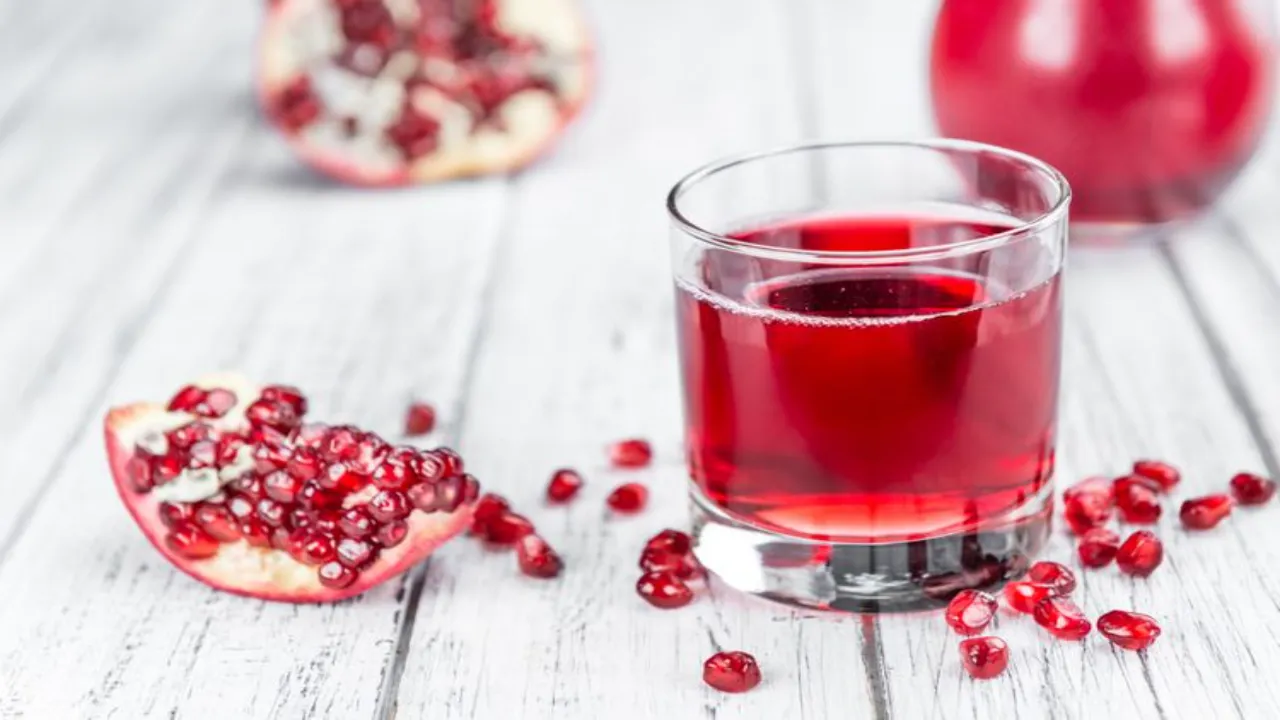
The answer is more straightforward than many wellness claims suggest. There is currently no strong scientific evidence proving that one specific time of day is best for blood pressure. What matters more is the amount consumed, how regularly it fits into a healthy eating pattern and whether a person is managing other risk factors, including excess sodium intake, physical inactivity and stress.
Pomegranate juice is not a replacement for prescribed blood pressure medication. However, for many people, an appropriate serving of unsweetened juice can be one part of a heart-conscious diet. Understanding what the research actually shows can help separate useful advice from exaggerated claims.
What Is the Best Time to Drink Pomegranate Juice for Blood Pressure?
For most people, morning is a convenient time to drink pomegranate juice, especially alongside breakfast. It can become part of a consistent daily routine, making it easier to remember to include fruit and other nutritious foods in the diet.
However, drinking it in the morning has not been proven to lower blood pressure more effectively than drinking it at lunchtime or in the evening. Researchers have studied pomegranate juice for its possible cardiovascular benefits, but there is not enough evidence to establish a universally optimal time of day.
The body regulates blood pressure throughout the day and night. Blood pressure often changes with activity, stress, sleep and the body’s natural daily rhythm. These fluctuations are normal, and a single drink cannot reliably control them.
The following table summarizes practical options for including pomegranate juice in a daily routine.
| Time of day | Potential advantage | What to consider |
|---|---|---|
| Morning with breakfast | Easy to build into a routine | Choose unsweetened juice and a moderate serving |
| Afternoon with a meal | Convenient alternative to sugary drinks | Account for the juice’s natural sugar and calories |
| Evening with dinner | Can fit into a balanced meal | Avoid replacing water or prescribed treatment with juice |
Consistency matters more than the clock. Someone who enjoys a small serving in the morning can continue doing so, while a person who prefers it with lunch does not need to change their routine solely for blood pressure.
How Pomegranate Juice May Help Support Healthy Blood Pressure
Pomegranates contain polyphenols, including compounds called punicalagins and anthocyanins. These plant substances have antioxidant activity and are being studied for their possible effects on blood vessels and cardiovascular health.

One proposed benefit involves the endothelium, the thin layer of cells lining blood vessels. Healthy endothelial function helps blood vessels relax and contract appropriately. Some laboratory and clinical research suggests that compounds in pomegranate may influence processes associated with blood vessel function and oxidative stress.
Pomegranate juice may also affect mechanisms involving nitric oxide, a molecule that helps blood vessels relax. However, the precise effects in humans remain an area of research, and results from laboratory studies do not automatically translate into meaningful improvements in everyday health.
Clinical studies and reviews have reported that pomegranate juice may produce modest reductions in blood pressure in some people. However, the studies vary in duration, serving size, participant characteristics and study quality. The evidence is promising but not strong enough to treat the juice as a proven therapy for hypertension.
Pomegranate juice also provides some potassium, although the amount varies by product. Potassium plays an important role in blood pressure regulation by helping the body balance sodium and supporting normal blood vessel function. Whole fruits, vegetables, beans and other potassium-rich foods can contribute to overall intake.
People with chronic kidney disease or those taking certain medications may need to limit potassium. They should check with a healthcare professional before deliberately increasing their intake.
How Much Pomegranate Juice Should You Drink Daily?
There is no universally established dose of pomegranate juice for lowering blood pressure. Research studies have used different amounts, so it would be misleading to suggest that a particular serving guarantees a specific reduction.
For someone who wants to include it in a balanced diet, a small glass of 100% unsweetened pomegranate juice is a reasonable starting point. Around 4–8 fluid ounces (120–240 milliliters) is a practical portion to consider, but this is a dietary suggestion rather than a medically established blood pressure dose.

The nutritional content depends on the product. Juice made entirely from pomegranates differs from a fruit drink that contains added sugar, other juices or sweeteners.
| Juice characteristic | What to look for |
|---|---|
| Ingredients | Ideally, 100% pomegranate juice |
| Added sugar | Prefer products without added sugars |
| Serving size | Check calories and total sugar per portion |
Even juice without added sugar contains naturally occurring sugars. Because juicing removes much of the fiber found in whole fruit, drinking a large amount can deliver substantial sugar and calories relatively quickly.
Whole pomegranate seeds are another good option. They provide fiber along with plant compounds and can be added to oatmeal, plain yogurt or salads. Eating the whole fruit may be more filling than drinking its juice.
There is also no need to drink pomegranate juice several times a day in pursuit of faster results. More is not necessarily better, and excessive portions can add unnecessary calories to the diet.
Who Should Be Careful Before Drinking Pomegranate Juice?
Pomegranate juice is generally well tolerated by many people, but it is not suitable for every situation without consideration.
People taking medication for high blood pressure should be especially careful about treating juice as an alternative to their prescription. If pomegranate juice contributes to a reduction in blood pressure, combining dietary changes with medication may affect readings. The size of this effect is not predictable, so anyone who notices dizziness, faintness or unusually low readings should seek medical advice.
Potential interactions with medicines are also worth discussing. Evidence that pomegranate juice causes clinically important interactions is limited, but possible effects on how certain medications are processed have been investigated. People taking several prescription medicines, particularly those with a narrow therapeutic range, should ask a pharmacist or clinician whether regular consumption is appropriate.

Other considerations include:
-
People with diabetes should account for the carbohydrates and natural sugars in juice.
-
People with chronic kidney disease may need to monitor potassium intake.
-
People with pomegranate allergies should avoid the fruit and its juice.
-
People who experience digestive discomfort may prefer smaller portions or whole fruit.
-
Anyone advised to restrict fluids or certain nutrients should follow their individualized medical guidance.
Pomegranate juice can be part of a healthy diet, but it should not be treated as a cure for hypertension. Persistent high blood pressure needs appropriate assessment because it can increase the risk of stroke, heart disease and kidney problems even when a person feels completely well.

Other Daily Habits That Matter More for Blood Pressure
Adding pomegranate juice may be helpful, but blood pressure management usually depends on a combination of habits rather than one food or drink.
Reducing excess sodium is particularly important. Packaged snacks, instant meals, processed meats, restaurant foods and salty sauces can contribute significant amounts of sodium to the diet. Choosing more fresh foods and checking nutrition labels can help reduce intake.
Regular physical activity is another important measure. Walking, cycling, swimming and other moderate activities can support cardiovascular health. Adults are generally advised to aim for at least 150 minutes of moderate-intensity aerobic activity each week, adjusted to their abilities and medical circumstances.
A balanced eating pattern that includes vegetables, fruits, whole grains, beans, nuts and appropriate protein sources can also support healthier blood pressure. The DASH eating plan, developed specifically to help manage hypertension, emphasizes many of these foods and limits excess sodium.
Other useful habits include maintaining a healthy weight when appropriate, getting sufficient sleep, limiting alcohol and avoiding tobacco. People with diagnosed hypertension may also need medication, even when they follow a healthy lifestyle.
Home monitoring can help people understand whether their efforts are working. Use a validated blood pressure monitor, sit quietly for five minutes before taking a reading and follow the device’s instructions. Recording readings over time provides more useful information than judging blood pressure from how someone feels after drinking juice.
If readings repeatedly exceed the range recommended by a healthcare professional, arrange a medical review rather than increasing juice consumption. Very high readings accompanied by chest pain, difficulty breathing, weakness, confusion or changes in vision require emergency assessment.

FAQ: Pomegranate Juice and Blood Pressure
1. Is morning the best time to drink pomegranate juice for blood pressure?
Morning is convenient, but there is no strong evidence that it is more effective than afternoon or evening. Choose a time that fits your routine and focus on an overall healthy diet.
2. How long does pomegranate juice take to lower blood pressure?
There is no guaranteed timeline. Studies have examined different consumption periods and reported mixed results. Any effect may vary between individuals, and juice should not replace prescribed medication or delay medical care.
3. Can I drink pomegranate juice while taking blood pressure medication?
Many people may be able to include it in their diet, but possible medication interactions and changes in blood pressure should be considered. Ask your doctor or pharmacist before making it a regular habit, especially if you take multiple medicines.
4. Is fresh pomegranate juice better than packaged juice?
Fresh juice may avoid added sweeteners, but packaged 100% pomegranate juice without added sugar can also be a suitable option. Compare ingredients, serving size and nutritional information. Whole pomegranate seeds provide fiber that juice generally lacks.
5. Can pomegranate juice replace blood pressure tablets?
No. Pomegranate juice has not been established as a replacement for prescribed hypertension treatment. If you want to change your medication, discuss it with your healthcare professional and continue following your treatment plan until advised otherwise.