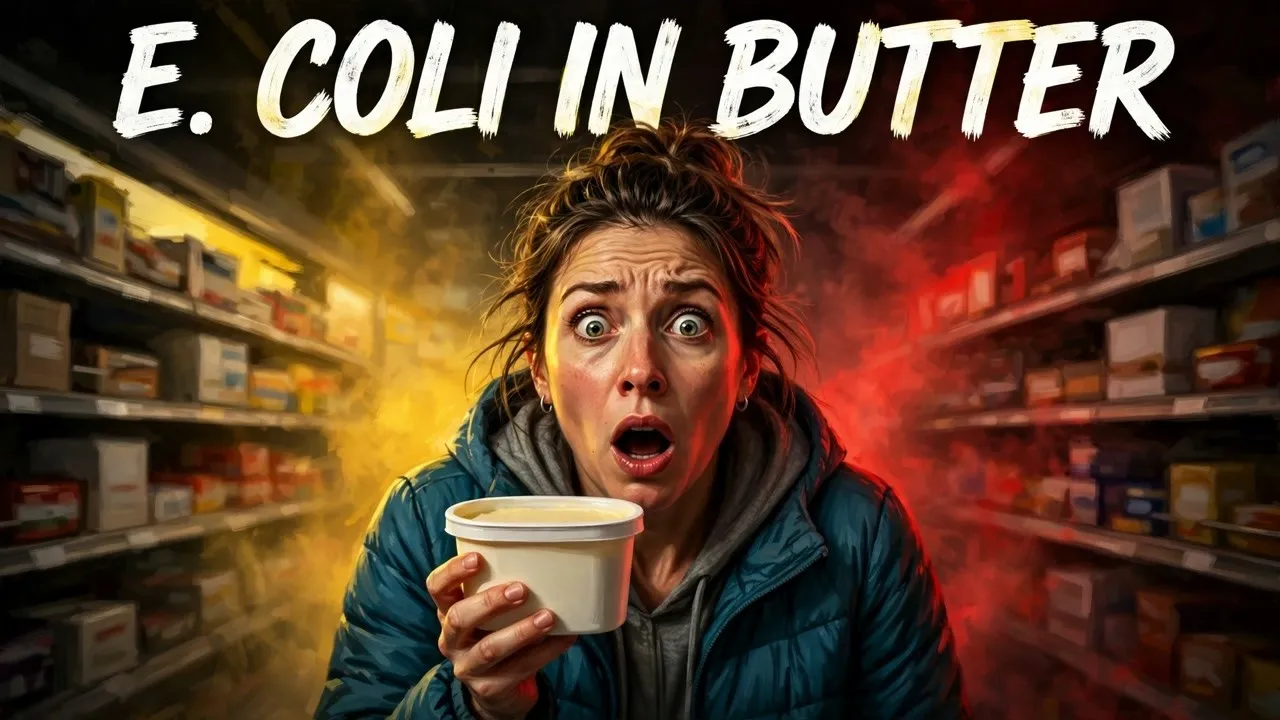
A popular butter alternative sold in grocery stores is under recall after concerns about possible contamination with E. coli, yeast and mold. The recall affects more than 1,300 cases of Miyoko’s Creamery European Style Salted Plant Milk Butter, a dairy-free product used by people looking for an alternative to traditional butter.
The U.S. Food and Drug Administration (FDA) has classified the recall as Class II, meaning the affected product could cause temporary or medically reversible health problems. Although serious health consequences are considered unlikely under this classification, shoppers should not ignore the warning.
The recall covers 8-ounce packages distributed in 10 states, including Florida, Georgia and several states outside the South. The company began the voluntary recall on September 11, 2026, and the FDA assigned the Class II classification on October 23. No illnesses have been reported in connection with the recall in the reports available as of October 28.
Consumers who regularly purchase plant-based butter should check their refrigerator and freezer before using the product again. The important details are the brand, package size, UPC, lot number and best-by date.
Which Butter Alternative Has Been Recalled?
The recall involves Miyoko’s Creamery European Style Salted Plant Milk Butter, an alternative to conventional dairy butter. The affected product was distributed by Prosperity Organic Foods Inc., a Boise, Idaho-based company.
The recall covers 1,304 cases, with each case containing six 8-ounce packages. That represents 7,824 individual packages potentially affected by the recall.
The FDA’s notice identifies possible contamination involving yeast, mold and E. coli. These concerns are significant because contaminated food can pose health risks even when its appearance, smell or texture seems normal.

Here are the key details shoppers should check on the package.
| Product detail | Information |
|---|---|
| Brand | Miyoko’s Creamery |
| Product | European Style Salted Plant Milk Butter |
| Package size | 8 ounces |
| UPC | 857554005773 |
| Lot code on product carton | 07871 |
| Lot code on shipping case | 1007871 |
| Best-by date | November 5, 2026 |
| Number of cases recalled | 1,304 |
| Company distributing the product | Prosperity Organic Foods Inc. |
The lot number printed on the individual product packaging may differ from the number printed on the outer shipping case. Shoppers should use the product’s own label when checking an individual package.
Not every plant-based butter product is automatically included in this recall. The identifying details matter, so consumers should compare their package with the information above rather than assuming that every product from the brand is affected.
Why Was Miyoko’s Plant-Based Butter Recalled?
The product was recalled because of concerns about yeast, mold and E. coli contamination. These are different types of potential food safety problems, and each deserves attention.
E. coli is a group of bacteria that can cause intestinal illness. Certain strains can lead to symptoms such as stomach cramps, diarrhea, nausea and vomiting. Some infections can become severe, particularly in young children, older adults and people with weakened immune systems.
Mold and yeast are fungi. Some types can spoil food, while particular molds may produce substances that are harmful when consumed. Their presence can also indicate a quality or food safety problem that needs investigation.

The FDA’s Class II designation means that using or being exposed to the recalled product may cause temporary or medically reversible adverse health consequences. Under the agency’s classification system, the probability of serious adverse health consequences is considered remote. This does not mean that the product is safe to eat.
The voluntary recall began on September 11, according to the FDA’s enforcement report. The agency later classified it as Class II on October 23, bringing additional attention to the product. Reports published on October 28 said more than 1,300 cases were affected and that no illnesses had been reported in connection with the recall.
Consumers should not attempt to make the affected butter safe by heating it, baking with it or using it in another recipe. The safest choice is to avoid consuming the recalled product and follow the retailer’s or recall administrator’s instructions.
Which States Received the Recalled Butter?
The FDA’s distribution information identifies 10 states where the affected butter was distributed. Although the original headline focused on three Southern states, the reported distribution is broader.
The states listed are:
- Connecticut
- Florida
- Georgia
- Illinois
- Indiana
- Iowa
- Maryland
- New Hampshire
- New Jersey
- Wisconsin
Florida, Georgia and Maryland are among the Southern states on the list. The other states are spread across the Northeast and Midwest.
The product was distributed in refrigerated or frozen form. That means shoppers who purchased it earlier may still have a package stored in a refrigerator or freezer, even if the product is no longer being sold at their local store.
Some retailers have also published recall notices. However, distribution details can vary between retailer announcements and the FDA’s summary, so shoppers should check the precise product information rather than relying only on their state of residence.
If you live outside the 10 states listed by the FDA, do not assume that every similar product is recalled. Instead, check the official product identifiers and any retailer notice relevant to where you purchased it.
What Should You Do If You Have This Butter at Home?
If you find Miyoko’s Creamery European Style Salted Plant Milk Butter in your refrigerator or freezer, take a moment to compare its label with the recall details.
If the package matches the affected UPC, lot number and best-by date, do not eat it. Do not use it for toast, cooking, baking or any other purpose.
Consumers should take these steps:

- Stop using the product immediately if it matches the recalled batch.
- Return it to the store where it was purchased and ask about a refund, or discard it safely if returning it is not practical.
- Wash your hands after handling the package.
- Clean and sanitize any refrigerator shelves, containers, utensils or surfaces that may have come into contact with the butter.
- Keep the package information available if you need to contact the retailer or company about the recall.
Do not taste the butter to determine whether it is safe. Contaminated food may not have an unusual smell, visible mold or a noticeable change in texture.
Refund arrangements can differ by retailer. Some stores may accept recalled products without a receipt, while others may have specific requirements. Contact the store where you purchased the item if you need clarification.
If you have already eaten the affected butter, do not panic. No illnesses had been reported in the available coverage as of October 28, but that does not guarantee that every possible risk has passed. Monitor your health and contact a healthcare professional if you develop symptoms that concern you.
What Are the Symptoms of E. Coli Infection?
Symptoms of an E. coli infection can vary depending on the strain involved and the person’s health. Possible symptoms include diarrhea, abdominal cramps, nausea and vomiting. Some infections can cause bloody diarrhea, and fever may occur in certain cases.
Symptoms do not necessarily begin immediately after eating contaminated food. If you consumed the recalled product, consider when you ate it and whether you develop any unusual symptoms in the following days.
Certain people may face a greater risk of serious complications, including young children, older adults and people with weakened immune systems. Some E. coli infections can lead to hemolytic uremic syndrome, a serious condition that can damage the kidneys.

Seek prompt medical advice if you develop severe abdominal pain, bloody diarrhea, persistent vomiting or signs of dehydration. Reduced urination, unusual tiredness or other worrying symptoms after a suspected foodborne infection also warrant urgent medical evaluation.
Do not assume that every stomach problem is caused by this recalled butter. Many conditions can produce similar symptoms, and a healthcare professional can help determine the appropriate next steps.
The most important action remains straightforward: identify the affected product, stop using it and follow the recall instructions. A quick check of the label can help prevent unnecessary exposure to a potentially contaminated food.
FAQ
1. Which butter alternative has been recalled?
The recall involves Miyoko’s Creamery European Style Salted Plant Milk Butter in 8-ounce packages. The affected product has UPC 857554005773, lot code 07871 and a best-by date of November 5, 2026.
2. Why was Miyoko’s Creamery butter recalled?
The product was recalled because of potential contamination involving E. coli, yeast and mold. The FDA classified the recall as Class II on October 23, 2026.
3. Which states are affected by the butter recall?
The FDA lists Connecticut, Florida, Georgia, Illinois, Indiana, Iowa, Maryland, New Hampshire, New Jersey and Wisconsin as distribution states.
4. What should I do if I purchased the recalled butter?
Do not eat or cook with it. Compare the package details with the recall information, then return it to the retailer for a refund or discard it safely. Clean any surfaces or utensils that may have come into contact with the product.
5. Have any illnesses been reported from the recalled butter?
Reports available on October 28, 2026, said no illnesses had been reported in connection with the recall. Consumers who ate the affected product and develop concerning symptoms should contact a healthcare professional.