
Israel Election 2026 takes place on October 27 as Benjamin Netanyahu faces opposition leader Gadi Eisenkot. Explore the election date, major parties, key issues, voting system, and expected results timeline.
The Israel Election 2026 is bringing the country’s political future into focus as voters choose representatives for the 120-seat Knesset, Israel’s parliament. The election, scheduled for Tuesday, October 27, comes amid continuing security concerns, political divisions, and intense debate over the country’s direction.
Prime Minister Benjamin Netanyahu, leader of the Likud party, is seeking to remain in office. His main opposition challenger is Gadi Eisenkot, a former Israeli military chief who leads the Yashar party.
The election is particularly important because neither major political bloc was assured of winning the 61 seats generally needed for a parliamentary majority, according to final pre-election polling. That means smaller parties and coalition negotiations could play a decisive role in determining who forms the next government.
Israel Election 2026: Date and Key Details
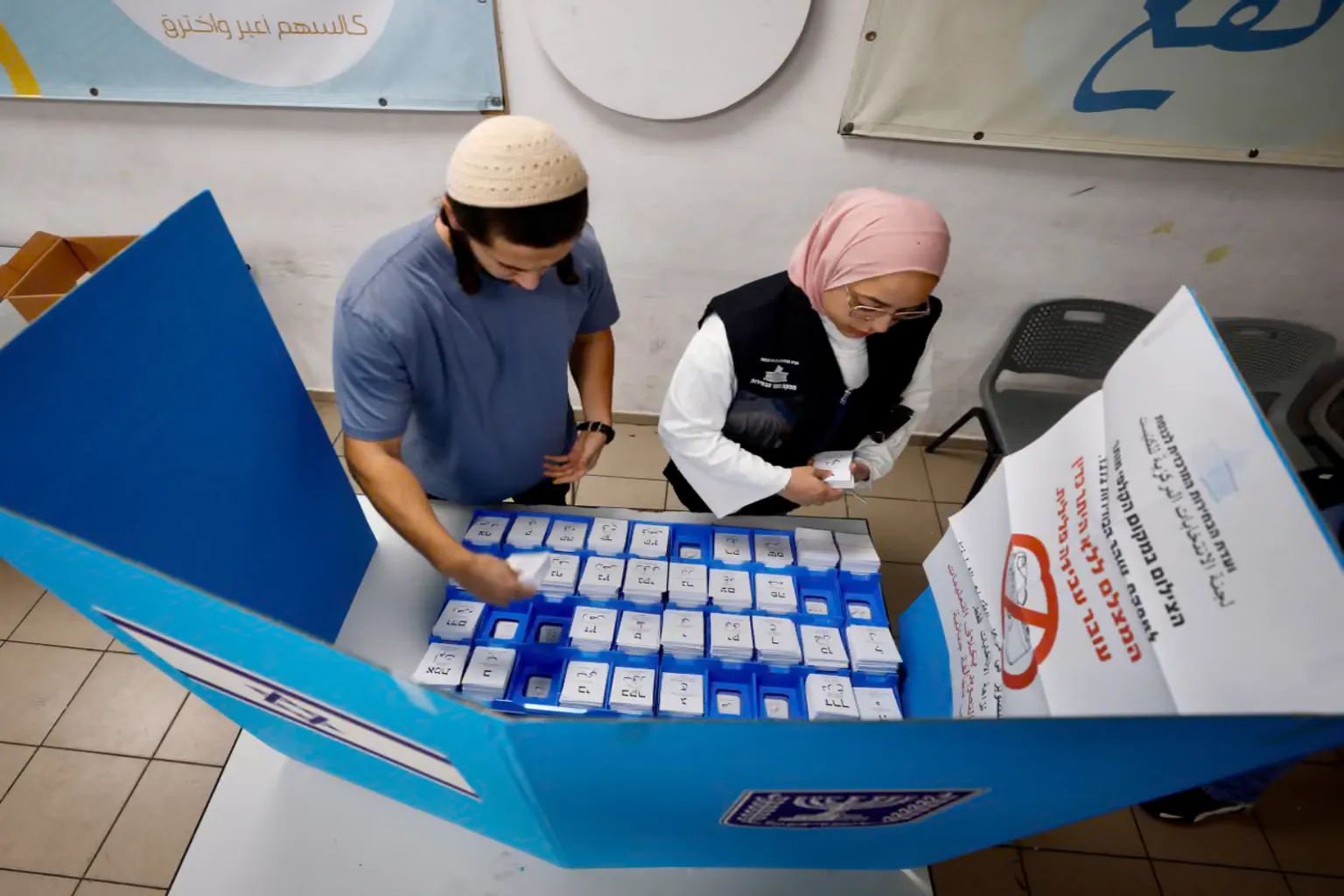
Israel’s 2026 parliamentary election is taking place on October 27. Voters are choosing political parties and their candidate lists rather than directly electing the prime minister.
Here are the main facts readers should know:
- Election date: October 27, 2026
- Country: Israel
- Parliament: Knesset
- Total parliamentary seats: 120
- Main political figures: Benjamin Netanyahu and Gadi Eisenkot
- Minimum electoral threshold: 3.25% of the national vote
- Majority benchmark: 61 seats
- Expected final official results publication: November 4, 2026
The Central Elections Committee has confirmed October 27 as Election Day. The final official results are expected to be published on November 4.
Benjamin Netanyahu vs. Gadi Eisenkot: Who Are the Main Contenders?
1. Benjamin Netanyahu and the Likud Party
Benjamin Netanyahu is Israel’s incumbent prime minister and the leader of Likud, a major right-wing political party.
His campaign takes place against the backdrop of the country’s security challenges, the aftermath of the October 7, 2023, Hamas attacks, and disagreements over military service and government policy.
Netanyahu’s supporters emphasize security and his political experience. Critics have raised questions about the government’s handling of national security and accountability for the failures surrounding the 2023 attacks.
The election will test whether Netanyahu can assemble enough parliamentary support to continue leading the government.
2. Gadi Eisenkot and the Yashar Party
Gadi Eisenkot, a former chief of staff of the Israel Defense Forces, leads the Yashar party and is a central figure in the opposition’s attempt to form a new government.
His political profile is closely connected to national security and his military experience. The opposition bloc includes parties with differing positions on several policy questions, making cooperation after the election an important consideration.
Even if one party wins more seats than its competitors, it must still secure sufficient support from other lawmakers to establish a functioning government.
What Are the Biggest Issues in Israel Election 2026?
1. National Security and the October 7 Attacks
Security remains one of the central issues shaping the election. Voters are considering the government’s response to the October 7, 2023, attacks, the country’s military strategy, and the risks facing Israel in a region marked by continuing conflict.
The debate also includes questions about government accountability and how future security decisions should be made.
2. Military Service and Religious Exemptions
The question of military service exemptions for ultra-Orthodox Jewish men has become another major political issue.
Disagreements over who should serve, and under what conditions, have affected relations between political parties and their potential coalition partners.
3. The Economy and Cost of Living
Household expenses, employment, public spending, and the economic consequences of prolonged conflict are also important considerations.
Voters will be looking for policies that address everyday financial pressures while maintaining national security.
4. Political Leadership and Government Stability
The election also centers on the question of who should lead Israel and whether the next government can maintain a stable parliamentary majority.
Because several parties may be needed to form a coalition, negotiations could influence the government’s policy priorities long after voting ends.
How Does Israel’s Election System Work?
Israel uses a nationwide proportional representation system. This means voters select a political party rather than casting a direct vote for an individual prime minister.
The 120 Knesset seats are distributed according to the parties’ share of the national vote, subject to the electoral rules.
A party must receive at least 3.25% of the vote to qualify for parliamentary representation. Once the seats are allocated, political leaders seek support from other parties to form a government.
Why Are 61 Seats Important?
A majority of 61 seats provides the usual benchmark for a government supported by a majority of the Knesset’s 120 members.
However, no single party needs to win all 61 seats itself. Several parties can combine their support in a coalition.
This is why the largest party does not automatically guarantee its leader the premiership. The key question is which candidate can secure sufficient parliamentary backing to form a government.
Israel Election 2026 Results: When Will the Winner Be Known?
Initial indications may emerge after polling stations close, including television exit polls. These are estimates rather than official results and should not be treated as a final count.
The vote count and allocation of parliamentary seats will provide a clearer picture of the balance of power. If neither political bloc can secure enough support, negotiations may take days or weeks.
The president will consult political parties and then assign a candidate considered capable of forming a government. That candidate must negotiate with potential coalition partners and obtain the necessary parliamentary support.
The final official results are expected on November 4, 2026. The formation of the next government may take longer if negotiations become complicated.
Israel Election 2026: Key Facts at a Glance
| Election detail | Latest available information |
|---|---|
| Election Day | October 27, 2026 |
| Incumbent prime minister | Benjamin Netanyahu |
| Main opposition challenger | Gadi Eisenkot |
| Netanyahu’s party | Likud |
| Eisenkot’s party | Yashar |
| Parliament | 120-seat Knesset |
| Electoral threshold | 3.25% |
| Majority benchmark | 61 seats |
| Official results publication | Expected November 4, 2026 |
| Government formation | Depends on parliamentary support and coalition negotiations |
1. When is the Israel Election 2026?
Israel’s parliamentary election is taking place on October 27, 2026. The election determines the composition of the 120-member Knesset.
2. Who are the main candidates in Israel Election 2026?
The main political figures are incumbent Prime Minister Benjamin Netanyahu of Likud and opposition leader Gadi Eisenkot of Yashar. The election involves multiple parties rather than a direct presidential-style contest.
3. When will Israel Election 2026 results be announced?
Initial exit polls and vote-counting updates are expected after polling stations close. The final official results are expected to be published on November 4, 2026.
4. How many seats are needed to form a government in Israel?
The Knesset has 120 seats, and 61 seats are the usual benchmark for a parliamentary majority. Parties can combine their seats through coalition agreements to form a government.

Read More