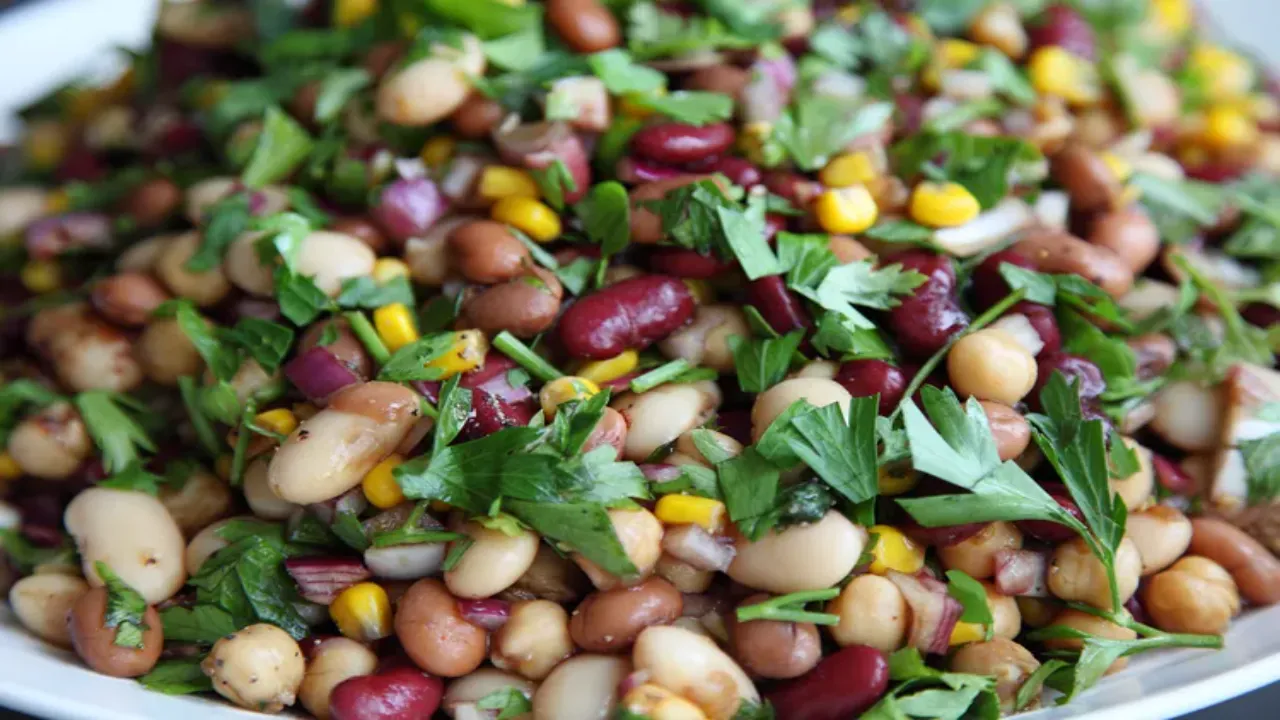
Increase Plant-Based Protein: Protein is often associated with chicken, eggs, fish, and dairy, but some of the most useful protein sources are already sitting in the pantry. Lentils, beans, chickpeas, tofu, peanuts, nuts, and seeds can all help meet daily protein needs while adding fiber, healthy fats, vitamins, and minerals to meals.
You do not have to become vegetarian or vegan to benefit. Simply replacing some meat-based meals with plant-based options can make your eating pattern more varied. The key is choosing foods that provide meaningful amounts of protein and preparing them in ways that fit your routine, budget, and appetite. The American Heart Association recommends including plant proteins such as beans, peas, lentils, nuts, and seeds as part of a heart-conscious eating pattern.
1. Lentils and Beans Make Everyday Meals More Protein-Rich
Lentils and beans are among the easiest plant-based proteins to add to a regular diet. They are affordable, widely available, and work in everything from soups and stews to salads, curries, and grain bowls.
Lentils are particularly convenient because they cook relatively quickly and do not always need soaking. Kidney beans, black beans, chickpeas, and other legumes provide protein alongside dietary fiber, which supports digestive health and can help meals feel more satisfying.
| Food | Approximate protein per cooked serving | Simple way to eat it |
|---|---|---|
| Lentils, ½ cup | 9 g | Add to soup, dal, or curry |
| Chickpeas, ½ cup | 7–8 g | Mix into salads or make hummus |
| Black beans, ½ cup | 7–8 g | Add to rice bowls or tacos |
| Kidney beans, ½ cup | About 8 g | Use in chili or bean curry |
Protein values are approximate and can vary by variety and preparation.
One practical approach is to add lentils to a vegetable soup or combine beans with rice and vegetables. These meals provide more than protein alone: legumes also supply carbohydrates, fiber, and minerals. Nutrition information from Penn State Extension lists cooked lentils, chickpeas, and several types of beans among useful plant protein sources.
For convenience, canned beans can work just as well as dried beans in many recipes. Choose lower-sodium versions when possible, and drain and rinse canned beans to remove some of the added salt. If you are not used to eating much fiber, increase portions gradually and drink enough water to help your digestive system adjust.
2. Tofu, Tempeh, and Edamame Offer Protein From Soybeans
Soy foods deserve a regular place in the conversation about plant-based protein because they can provide substantial amounts in a practical serving. Tofu, tempeh, and edamame are all made from soybeans, but they have different textures and work well in different dishes.
Tofu has a mild flavor and absorbs seasonings easily. It can be baked, stir-fried, added to soups, or crumbled into a filling for wraps. Tempeh is firmer and has a more pronounced, nutty taste. Edamame, or young soybeans, can be served as a snack or added to salads and rice bowls.
| Soy food | Approximate protein | Meal idea |
|---|---|---|
| Firm tofu, ½ cup | Around 10–15 g, depending on type | Stir-fry with vegetables |
| Edamame, ½ cup shelled | Around 9–10 g | Add to a grain bowl |
| Tempeh, ½ cup | Around 15–16 g | Bake and serve with rice |
These values are estimates; check product labels for the actual protein content. The amount can differ significantly between tofu varieties and brands.
Soy foods can be especially helpful for people who want a meat-free main dish without relying on a large number of separate ingredients. For example, tofu with vegetables and brown rice provides protein, carbohydrates, and a range of micronutrients in one meal.
You also do not need to buy expensive meat substitutes to eat more soy. Plain tofu and frozen edamame are often versatile options. When purchasing packaged soy products, compare sodium levels and choose options that suit your preferences.
3. Nuts, Seeds, and Nut Butters Add Protein in Small Portions
Almonds, peanuts, walnuts, pumpkin seeds, chia seeds, and sunflower seeds can increase the protein content of snacks and meals without much preparation. They also provide different combinations of unsaturated fats, fiber, vitamins, and minerals.

Nuts and seeds are energy-dense, meaning a small portion can contain a substantial number of calories. That is not a reason to avoid them, but portion size matters if you are monitoring your overall energy intake.
| Food | Approximate protein | Easy way to use it |
|---|---|---|
| Peanuts, 1 ounce | About 7 g | Snack or sprinkle over a bowl |
| Almonds, 1 ounce | About 6 g | Add to oatmeal |
| Pumpkin seeds, 1 ounce | About 7 g | Sprinkle on salads or soups |
| Peanut butter, 2 tablespoons | About 7–8 g | Spread on whole-grain toast |
| Chia seeds, 2 tablespoons | About 4 g | Mix into oatmeal or yogurt |
Values vary by product and serving size.
A spoonful of peanut butter can make breakfast more filling, while pumpkin seeds can add crunch to roasted vegetables or soup. Chia seeds are easy to stir into oatmeal, smoothies, or overnight oats, although they should not be treated as a complete protein replacement for foods such as beans or tofu.
Choose unsalted nuts and seeds more often if you want to limit sodium. For nut butters, check the ingredient list: products made mainly from nuts, with little or no added sugar or salt, are often straightforward choices.
4. Quinoa, Oats, and Whole Grains Help Protein Add Up
Beans and tofu often receive the most attention, but grains also contribute protein. Quinoa, oats, whole-wheat bread, buckwheat, and other whole grains can help increase total intake across the day.
Quinoa is especially useful because it contains all nine essential amino acids, making it a complete protein. A cup of cooked quinoa provides roughly 8 grams of protein, along with fiber and minerals. Oats and whole-wheat foods contribute protein too, although their amounts vary by serving.

| Whole grain | Approximate protein | Meal idea |
|---|---|---|
| Quinoa, 1 cooked cup | About 8 g | Serve with beans and vegetables |
| Oatmeal, 1 cooked cup | Around 6 g | Add peanut butter or seeds |
| Whole-wheat bread, 2 slices | Around 6–8 g | Make a hummus sandwich |
| Brown rice, 1 cooked cup | Around 5 g | Pair with lentils or tofu |
Whole grains are most useful when they form part of a meal rather than being expected to supply all the protein by themselves. A bowl of brown rice with black beans, for example, combines grain-based and legume-based protein while providing fiber and other nutrients.
There is no need to combine particular plant proteins in exact proportions at every meal. Eating a varied diet throughout the day is a practical way to obtain the essential amino acids your body needs.
5. Plant-Based Protein Can Support Heart Health and Digestive Health
The benefits of plant-based protein often extend beyond protein itself. Beans, lentils, peas, nuts, and seeds contain nutrients that differ from those found in many animal-based foods. Legumes provide fiber, while nuts and seeds offer unsaturated fats. Replacing some fatty or processed meats with these foods can improve the overall nutritional quality of a diet.
Fiber is one of the most important differences. It supports regular bowel movements and helps feed beneficial gut bacteria. Many adults do not get enough fiber, so adding beans, lentils, whole grains, fruits, and vegetables can help address that gap.
Plant-based protein may also help people build meals that are filling without relying heavily on foods high in saturated fat. However, the result depends on what replaces what. A meal based on lentils, vegetables, and whole grains is nutritionally different from a highly processed plant-based burger served with salty fries.
A few practical swaps can make a difference:

- Replace some meat in chili or curry with beans or lentils.
- Add chickpeas to a salad instead of relying only on lettuce and vegetables.
- Use hummus in a sandwich or wrap.
- Include nuts or seeds in oatmeal, yogurt, or a fruit snack.
- Try tofu or tempeh in a stir-fry once or twice a week.
Plant-based eating does not automatically mean healthy eating. Some packaged meat alternatives contain high amounts of sodium, saturated fat, or added ingredients. Read the nutrition label and choose products that fit your needs.
6. How to Get Enough Protein Without Making Meals Complicated
A common concern is that plant-based foods cannot provide enough protein. In reality, people can meet their protein needs through plant foods when they eat enough overall and include a variety of protein-rich options. Needs vary with age, body size, activity level, pregnancy, illness, and other individual factors.
The easiest strategy is to include a clear protein source in each main meal rather than trying to get everything from one food.
| Meal | Plant-based protein combination |
|---|---|
| Breakfast | Oatmeal with peanut butter and chia seeds |
| Lunch | Lentil soup with whole-grain bread |
| Snack | Roasted chickpeas or a small handful of nuts |
| Dinner | Tofu, vegetables, and brown rice |
These combinations can be adjusted to suit different budgets and cuisines. Lentils and beans are often economical, frozen edamame can be convenient, and peanut butter is an easy pantry staple. Protein powders may be useful for some people, but they are not essential for everyone.
People following a fully vegan diet also need to plan for nutrients that may be difficult to obtain from unfortified plant foods, particularly vitamin B12. Fortified foods or a suitable supplement may be necessary. Depending on food choices, calcium, iron, iodine, vitamin D, and selenium also deserve attention.
The goal is not to chase the highest protein number on every label. A balanced routine built around legumes, soy foods, nuts, seeds, whole grains, fruits, and vegetables can provide protein alongside the other nutrients needed for everyday health.

FAQ
1. What are the best plant-based foods for protein?
Lentils, beans, chickpeas, tofu, tempeh, edamame, peanuts, nuts, seeds, and quinoa are useful choices. The best options are the ones you enjoy and can include regularly in balanced meals.
2. Can you get enough protein without eating meat?
Yes. A well-planned diet can provide enough protein from plant foods. Include a variety of legumes, soy products, nuts, seeds, and grains, and eat enough food to meet your overall energy needs.
3. Which plant-based food has the most protein?
There is no single winner because serving sizes differ. Tempeh, tofu, soybeans, lentils, beans, peanuts, and some wheat-based products can provide substantial protein. Compare the serving size and nutrition label when choosing packaged foods.
4. Do plant proteins need to be combined at every meal?
No. You generally do not need to combine specific plant proteins at every meal. Eating a varied selection of foods over the course of the day helps provide the essential amino acids your body needs.
5. Is plant-based protein good for weight management?
It can be. Beans and lentils provide protein and fiber, which can help meals feel satisfying. Nuts and seeds also provide useful nutrients but are calorie-dense, so portions may matter. Overall food choices and activity levels influence weight management.