
Beet juice or whole beets—which is better for blood pressure? Learn about nitrates, fiber, potential heart health benefits, and practical ways to eat beets.
When it comes to heart health, small changes in your daily diet can make a meaningful difference over time. For Americans looking to support healthy blood pressure, beets are one vegetable worth adding to the conversation.
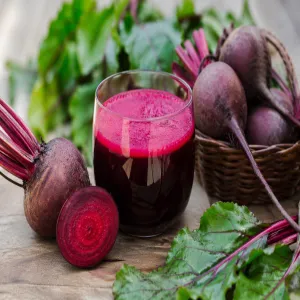
Beets are naturally rich in dietary nitrates, compounds that the body can convert into nitric oxide. This molecule helps blood vessels relax, which may support healthy blood flow. But there is an important question: Is drinking beet juice more beneficial than eating whole beets?
The answer depends on what you want from your food. Beet juice offers a convenient way to consume concentrated nitrates, while whole beets provide fiber and a range of nutrients. Both can fit into a heart-conscious eating pattern, but neither should be considered a replacement for medical treatment.
How Do Beets Support Healthy Blood Pressure?
The potential benefit of beets comes largely from their naturally occurring nitrates. After consumption, these compounds can be converted through several steps into nitric oxide, which helps regulate blood vessel function.
Researchers have studied beetroot juice to understand whether this process can produce measurable changes in blood pressure.
A systematic review published in 2024 examined clinical trials involving adults with hypertension. The findings suggested that beetroot juice may modestly lower systolic blood pressure, although the certainty of the evidence was low and not every blood pressure measurement improved.
This is encouraging, but it does not mean that beets will lower blood pressure in everyone. Individual results can vary depending on overall health, diet, medications, and other factors.
Beet Juice vs. Whole Beets: What’s the Difference?
| Feature | Beet Juice | Whole Beets |
|---|---|---|
| Dietary nitrates | May provide concentrated nitrates | Naturally contains dietary nitrates |
| Fiber | Usually low when strained | Provides dietary fiber |
| Convenience | Easy to drink | Easy to roast, steam, or add to meals |
| Fullness | Generally less filling | Often more satisfying |
| Added ingredients | Some products contain added sugar | Plain fresh beets contain no added sugar |
| Best use | Convenient nitrate intake | Everyday whole-food nutrition |
The actual nitrate content depends on the product, beet variety, growing conditions, and preparation method. Therefore, not every juice will provide more nitrates than every serving of whole beets.
1. Beet Juice: A Convenient Choice
Beet juice is a practical option for people who enjoy drinking vegetables or want an easy way to include dietary nitrates in their routine.
Potential Benefits
Convenient nitrate intake: Some beet juices provide a substantial amount of dietary nitrates in a relatively small serving.
Easy preparation: Ready-to-drink products can save time, especially for people with busy schedules.
Potential blood pressure benefits: Clinical research suggests that nitrate-rich beetroot juice may help lower systolic blood pressure in some adults.
What Should You Watch Out For?
Juicing removes much of the fiber when the pulp is strained out. Certain bottled drinks also contain added sugar or a mixture of fruit juices.
If you choose beet juice, look for an unsweetened option and check the nutrition label. A bigger serving is not necessarily more beneficial, and there is no universally established dose for treating high blood pressure.
2. Whole Beets: More Than Just Nitrates
Whole beets offer a different set of advantages. They contain fiber, folate, potassium, and colorful plant compounds known as betalains.
Why Whole Beets Are a Good Everyday Food
Fiber for digestive health: Whole beets provide fiber that supports regular digestion and helps make meals more satisfying.
Folate for normal cell function: This B vitamin plays an important role in cell growth and the production of red blood cells.
Versatile meal ingredient: Beets work well in salads, soups, grain bowls, and roasted vegetable dishes.
A whole-food approach: Eating whole vegetables makes it easier to build a varied diet rather than relying on one drink or ingredient.
However, research on beet juice and blood pressure is more extensive than research specifically comparing whole beets with juice. It is not yet clear that both forms produce identical blood pressure effects.
3. Which Option Is Better for Your Heart?
If your primary interest is concentrated dietary nitrates, beet juice may be the more convenient option. If you want fiber, texture, and a versatile vegetable for everyday meals, whole beets are an excellent choice.
You can also enjoy both. For example, you might include roasted beets with dinner and occasionally drink a small glass of unsweetened beet juice.
Remember that blood pressure management involves much more than one food. A balanced eating pattern, regular exercise, appropriate sodium intake, quality sleep, and prescribed treatment all matter.
4. Easy Ways to Eat More Beets
You do not need complicated recipes to include beets in your meals.
- Roasted beets: Cut beets into wedges, add olive oil and herbs, and roast until tender.
- Fresh beet salad: Combine grated beets with leafy greens, chickpeas, and a lemon dressing.
- Steamed beets: Serve them alongside fish, chicken, beans, or whole grains.
- Beet juice: Choose an unsweetened product and follow the serving information on the label.
- Homemade smoothies: Blend cooked, cooled beets with plain yogurt or other ingredients you enjoy.
For a heart-conscious diet, pay attention to added sodium in prepared foods and added sugar in bottled beverages.
5. Who Should Be Careful With Beet Juice?
Beets are safe for many people, but a few precautions are worth considering.
People taking blood pressure medication: Ask a healthcare professional before regularly using concentrated beet juice to influence blood pressure, particularly if you experience dizziness or lightheadedness.
People prone to certain kidney stones: Beets contain oxalates, which may matter for people advised to follow an oxalate-restricted diet.
People with digestive sensitivity: A sudden increase in juice or vegetable intake may cause digestive discomfort.
Beets can also temporarily turn urine or stool pink or red. If you suspect bleeding or notice persistent changes, contact a healthcare professional.
Never stop or change prescribed blood pressure medication because you have started eating beets or drinking beet juice.
Is beet juice better than whole beets for high blood pressure?
Beet juice has been studied more directly for its possible blood pressure effects and may provide concentrated nitrates. Whole beets offer more fiber when eaten intact. Current evidence does not establish one as the best option for everyone.
Can eating beets every day lower blood pressure?
Beets can be part of a healthy diet, but eating them daily is not a proven standalone treatment for hypertension. Your overall diet, health, and medical treatment remain important.
How quickly can beet juice affect blood pressure?
Some studies have observed changes within hours, but the timing and size of the effect vary. A short-term change does not guarantee long-term blood pressure control.
Should I drink beet juice if I take blood pressure medicine?
Ask your healthcare professional before making concentrated beet juice a regular part of your routine. Do not change your medication without medical advice.
Are canned beets healthy?
Plain canned beets can be a convenient, nutritious choice. Check the sodium content, choose lower-sodium products when possible, and rinse them if appropriate.
Conclusion
Beet juice and whole beets can both earn a place in a heart-healthy diet, but they offer different benefits. Beet juice provides a convenient source of dietary nitrates and has promising, though not definitive, evidence for modest reductions in systolic blood pressure. Whole beets provide fiber and a range of nutrients that support an overall balanced eating pattern.
For most people, the practical choice is the one they enjoy and can include consistently. Eat a variety of vegetables, stay physically active, monitor your blood pressure when recommended, and follow your healthcare professional’s advice.

Read More