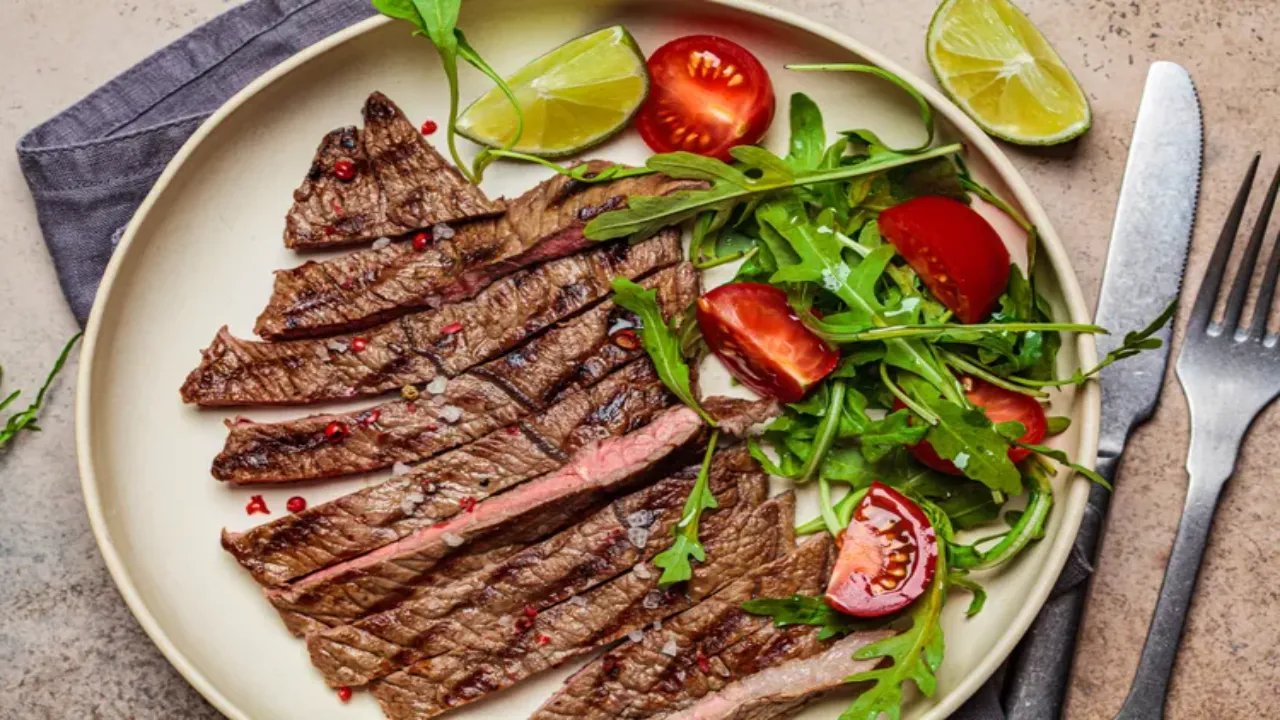
Red Meat: A juicy steak, a lamb curry, or a burger can be part of an enjoyable meal. Red meat also provides important nutrients, including protein, iron, zinc, and vitamin B12. The concern begins when large portions of red meat become a daily habit, particularly when processed meats such as bacon, ham, hot dogs, and sausages are frequent choices.
Research has linked high consumption of red and processed meat with several health concerns, including colorectal cancer, elevated cholesterol, and a greater risk of certain chronic diseases. That does not mean eating a steak occasionally will automatically make you sick. The amount you eat, the type of meat you choose, how it is cooked, and the rest of your diet all matter.
1. Eating Too Much Red Meat May Increase Colorectal Cancer Risk
One of the most established concerns about red and processed meat is its relationship with colorectal cancer, which affects the colon or rectum. Health researchers distinguish between fresh red meat and processed meat because the strength of the evidence is different.
The International Agency for Research on Cancer classifies red meat as “probably carcinogenic to humans,” while processed meat is classified as carcinogenic to humans. These categories describe the strength of evidence that something can cause cancer, not the size of the risk from eating a particular serving. Processed meat has stronger evidence linking it to colorectal cancer than fresh red meat.
Red meat includes beef, pork, lamb, mutton, and goat. Processed meat includes products preserved or transformed through curing, smoking, salting, fermentation, or similar methods. Bacon, ham, salami, and many sausages fall into this category.
| Meat category | Examples | Main concern |
|---|---|---|
| Fresh red meat | Beef, lamb, pork, goat | Higher intake is associated with increased colorectal cancer risk |
| Processed meat | Bacon, ham, salami, hot dogs | Strong evidence links consumption to colorectal cancer |
| Alternative proteins | Beans, lentils, fish, poultry | Useful options for replacing some red meat |
The World Cancer Research Fund recommends limiting red meat to about three portions a week, totaling roughly 350–500 grams of cooked meat, and eating very little, if any, processed meat.
Reducing frequent servings does not require eliminating every traditional meat dish. Smaller portions, fewer processed-meat meals, and more vegetables, beans, and whole grains are practical starting points.

2. Fatty Cuts Can Raise Saturated Fat and LDL Cholesterol
Not all red meat contains the same amount of fat. Lean cuts can provide protein with less saturated fat, while fatty beef, some cuts of lamb, and certain pork products can contribute substantially more.
Eating too much saturated fat can raise LDL cholesterol, often called “bad” cholesterol. High LDL levels can contribute to plaque buildup in arteries, increasing the risk of cardiovascular problems over time. The overall diet matters, including whether saturated fat is replaced with healthier unsaturated fats.
Some common sources of saturated fat include:
- Fatty cuts of beef and lamb.
- Sausages and other fatty meat products.
- Bacon and certain cured meats.
- Butter, cream, and other foods high in saturated fat.
Choosing leaner cuts and trimming visible fat can reduce the amount of saturated fat in a meal. Another option is to replace some meat servings with beans, lentils, fish, or skinless poultry.
A heart-conscious meal does not need to be complicated. A smaller portion of lean meat served with vegetables and whole grains can be a better everyday choice than a large fatty steak accompanied by a meal high in butter and refined carbohydrates.
3. Frequent Processed Meat Consumption Can Add Too Much Sodium
Processed meat can contain considerable sodium because salt is often used to preserve the product, enhance flavor, or help maintain its texture. Regularly consuming too much sodium can contribute to high blood pressure, which increases the risk of heart disease and stroke.
Bacon, ham, salami, hot dogs, and some sausages can be especially salty. Fresh meat generally allows more control over added salt, although marinades, seasoning blends, sauces, and restaurant preparation can also increase sodium intake.
| Food choice | What to watch |
|---|---|
| Bacon or ham | Sodium and processing |
| Sausages and hot dogs | Sodium, saturated fat, and serving size |
| Fresh lean beef or lamb | Portion size and cooking fat |
| Beans or lentils | Added salt in canned products or recipes |
The practical solution is not simply to choose a different brand of sausage. It helps to reduce how often processed meat appears in meals and replace it with fresh, minimally processed foods.
When buying canned beans or other packaged foods, compare sodium levels and choose lower-sodium products when available. Rinsing canned beans can also remove some of the added salt.
People with high blood pressure may benefit from reviewing their overall sodium intake rather than focusing on meat alone. Bread, sauces, packaged snacks, and restaurant meals can also contribute substantial amounts.
4. High Red Meat Intake Is Linked With Type 2 Diabetes Risk
Studies have found an association between higher red and processed meat consumption and an increased risk of type 2 diabetes. These findings do not mean that red meat directly causes diabetes in every person who eats it. Researchers must account for other factors, including body weight, physical activity, smoking, and the overall quality of a person’s diet.
The type of meat and the food replacing it are important. A meal built around processed meat, refined grains, and sugary drinks is different from one that includes a modest portion of lean meat, vegetables, and whole grains.

People can make their everyday meals more balanced by trying changes such as:
- Replacing some meat-heavy lunches with lentil soup or a bean salad.
- Adding vegetables to curries, stews, and meat-based pasta dishes.
- Choosing whole grains more often than refined grains.
- Limiting processed meats and sugary drinks.
- Staying physically active and maintaining habits that support a healthy weight.
The goal is to improve the overall eating pattern, not to blame one food for a complex condition. Family history, age, activity levels, and other health factors also influence diabetes risk. Anyone concerned about their blood sugar should discuss appropriate screening and lifestyle changes with a healthcare professional.
5. High-Temperature Cooking Can Create Harmful Compounds
How meat is cooked may also matter. Grilling, frying, or broiling meat at very high temperatures can create compounds that have raised concerns in laboratory research. Cooking until meat becomes heavily charred can increase exposure to some of these substances.
The evidence around cooking-related compounds is not a reason to panic about every grilled meal. It is, however, a reason to avoid routinely burning meat and to use a variety of cooking methods. The American Cancer Society notes that high-temperature cooking methods can produce compounds associated with DNA damage in laboratory studies.
Consider these practical adjustments:
| Cooking method | Helpful approach |
|---|---|
| Grilling | Avoid excessive charring and remove burnt portions |
| Pan-frying | Use moderate heat and avoid burning the meat |
| Roasting | Cook thoroughly without letting the surface become heavily charred |
| Stewing or braising | Use vegetables, herbs, and spices for flavor |
Marinating meat and turning it frequently while grilling may help reduce charring. Keeping portions moderate and serving meat alongside vegetables can also improve the balance of the meal.

Food safety remains essential: cook meat thoroughly and follow safe handling practices. Avoiding burnt surfaces does not mean leaving meat undercooked.
6. Large Meat Portions Can Crowd Out Fiber-Rich Foods
Red meat supplies protein and several important micronutrients, but it contains no dietary fiber. When a large steak or several meat servings dominate the plate, there may be less room for foods that provide fiber, such as vegetables, fruits, beans, lentils, and whole grains.
Fiber supports normal digestion and helps maintain regular bowel movements. Fiber-rich foods also provide vitamins, minerals, and other beneficial compounds. Eating a varied diet is therefore important even for people who choose to include meat.
A balanced plate might include a modest serving of lean beef or lamb, half a plate of vegetables, and a portion of whole grains or beans. Another meal could use lentils or chickpeas as the main protein source.
People who want to reduce red meat can try simple swaps:
- Replace some ground beef in chili with beans.
- Add lentils to meat sauces or stews.
- Use chickpeas in salads and grain bowls.
- Choose fish or skinless poultry for some meals.
- Make a few dinners each week centered on plant proteins.
These changes can lower reliance on red meat without removing protein from the diet. Beans and lentils also provide iron, although the body generally absorbs iron from plant foods less readily than iron from meat.

7. Cutting Back Does Not Mean Losing Important Nutrients
Red meat can be a valuable source of protein, iron, zinc, and vitamin B12. The goal of limiting it is to balance those benefits against concerns associated with high intake, particularly processed meat. A carefully planned diet can supply these nutrients from a range of foods.
| Nutrient | Foods that can provide it |
|---|---|
| Protein | Fish, poultry, eggs, dairy, beans, lentils, tofu |
| Iron | Beans, lentils, fortified cereals, leafy greens, meat |
| Zinc | Beans, nuts, seeds, dairy, seafood, meat |
| Vitamin B12 | Fish, eggs, dairy, meat, fortified foods |
People who eat little or no animal food should pay particular attention to vitamin B12, which is naturally found mainly in animal-derived foods. Fortified foods or supplements may be needed, depending on the diet.
For people who enjoy red meat, moderation is a realistic approach. Choose leaner cuts more often, keep portions reasonable, limit processed meat, and include a variety of plant foods and other protein sources throughout the week.
The biggest improvement may come from changing a frequent habit rather than banning one food completely. Red meat can remain part of a varied diet, but it should not crowd out the foods that help make meals nutritionally balanced.
FAQ
1. Is red meat bad for your health?
Red meat provides protein, iron, zinc, and vitamin B12. However, high intake is associated with increased colorectal cancer risk, and fatty cuts can contribute significant saturated fat. The amount and type of meat matter.
2. Which meats are considered red meat?
Red meat includes beef, pork, lamb, mutton, goat, and other mammalian muscle meats. Chicken and turkey are generally classified as poultry rather than red meat.
3. Is processed meat more concerning than fresh red meat?
Yes. The evidence linking processed meat to colorectal cancer is stronger than the evidence for fresh red meat. Processed meat includes bacon, ham, salami, hot dogs, and many sausages.
4. How much red meat should you eat per week?
The World Cancer Research Fund recommends no more than about 350–500 grams of cooked red meat per week, spread across roughly three portions, and very little, if any, processed meat. Recommendations can vary between organizations and countries.
5. What can you eat instead of red meat?
Fish, skinless poultry, eggs, dairy products, tofu, beans, chickpeas, and lentils can all provide protein. Rotating these foods through the week adds variety and can help reduce reliance on red and processed meat.