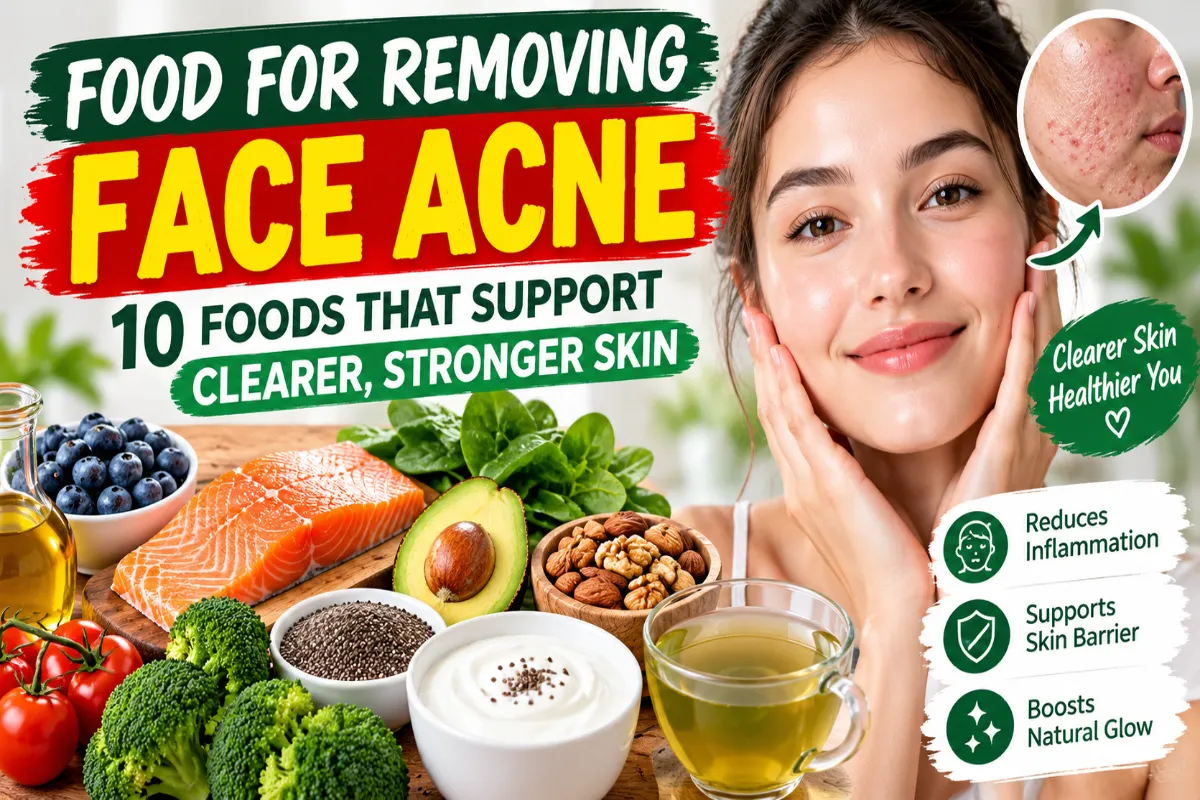

10 Best Foods for Acne-Prone Skin Acne is one of the most common skin concerns, affecting teenagers and adults alike. While hormones, genetics, stress, and skincare habits can all contribute to breakouts, your diet may also play a role in supporting healthy skin.
The good news is that adding nutrient-rich foods to your daily meals can help provide the vitamins, minerals, healthy fats, and antioxidants your skin needs. Although no single food can guarantee acne-free skin, a balanced diet may support overall skin health and could help some people manage breakouts.
Here are 10 of the best foods for acne-prone skin and practical ways to include them in your everyday diet.
1. Fatty Fish
Fatty fish such as salmon, sardines, and mackerel provide omega-3 fatty acids, which play an important role in overall health. These fats are known for their role in normal inflammatory processes in the body.
Including fish in a balanced diet can support skin health, although research has not established that eating fatty fish alone clears acne.
How to eat it: Try grilled salmon, baked sardines, or mackerel as part of a balanced lunch or dinner.
2. Berries
Strawberries, blueberries, and raspberries contain vitamin C and other antioxidant compounds. Vitamin C contributes to normal collagen formation and helps protect cells from oxidative damage.
Berries are also a convenient way to add fruit and fiber to your diet without relying on sugary desserts.
How to eat them: Add fresh berries to oatmeal, plain yogurt, or a breakfast smoothie.
3. Leafy Green Vegetables
Spinach, kale, and other leafy greens provide nutrients such as folate, vitamin K, and carotenoids. These nutrients support several normal functions in the body, including maintaining healthy tissues.
Leafy greens are not a direct acne treatment, but they can be part of a nutritious eating pattern.
How to eat them: Add spinach to omelets, salads, soups, or vegetable dishes.
4. Pumpkin Seeds
Pumpkin seeds provide zinc, magnesium, protein, and healthy fats. Zinc is essential for normal immune function and wound healing, making it an important nutrient for overall health.
However, taking extra zinc or eating large amounts of seeds has not been proven to eliminate acne.
How to eat them: Sprinkle a small handful of pumpkin seeds over oatmeal, salads, or yogurt.
5. Sweet Potatoes
Sweet potatoes contain beta-carotene, which the body can convert into vitamin A. Vitamin A supports normal skin maintenance and other important bodily functions.
Eating sweet potatoes provides a nutritious source of carbohydrates along with fiber and other micronutrients.
How to eat them: Bake, roast, or steam sweet potatoes and serve them with lean protein and vegetables.
6. Nuts
Almonds, walnuts, and other nuts provide healthy fats, vitamin E, minerals, and varying amounts of protein and fiber. Walnuts also contain plant-based omega-3 fatty acids.
Nuts can contribute to a balanced diet, but there is not enough evidence to say that a particular nut will directly prevent acne.
How to eat them: Enjoy a small handful of unsalted nuts as a snack or add chopped nuts to breakfast bowls.
7. Whole Grains
Oats, brown rice, quinoa, and whole-wheat bread contain fiber and other nutrients. Choosing whole grains instead of frequently eating refined carbohydrates may help some people follow a lower-glycemic eating pattern.
Some research suggests that a lower-glycemic diet may improve acne in certain individuals, although results vary and diet is only one part of acne management.
How to eat them: Replace some refined grains with oatmeal, brown rice, or whole-grain bread.
8. Plain Yogurt
Plain yogurt provides protein, calcium, and, depending on the product, beneficial live cultures. It can be a convenient addition to a balanced breakfast or snack.
Evidence linking dairy consumption with acne is mixed. Some studies have found associations between certain dairy products and acne, but this does not prove that dairy causes breakouts in every person. Yogurt should not be considered an acne treatment.
How to eat it: Choose unsweetened yogurt and combine it with fruit, oats, or seeds. If you suspect a food triggers your acne, discuss dietary changes with a qualified healthcare professional.
9. Tomatoes
Tomatoes provide vitamin C, potassium, and lycopene, a naturally occurring antioxidant compound. They are easy to incorporate into a varied diet and can contribute to overall nutritional quality.
There is no strong evidence that tomatoes directly remove acne, but they are a healthy choice for most people.
How to eat them: Add fresh tomatoes to salads, sandwiches, soups, or homemade sauces.
10. Beans and Lentils
Beans, chickpeas, and lentils provide plant-based protein, fiber, and minerals. They can help make meals more filling and support a balanced eating pattern.
Replacing some highly refined carbohydrates with beans and lentils may also help moderate the glycemic impact of meals, depending on the foods being replaced.
How to eat them: Prepare lentil soup, chickpea salads, bean bowls, or vegetable curry with lentils.
Foods That May Make Acne Worse for Some People
Diet does not affect everyone in the same way. Some research suggests that foods that rapidly raise blood sugar may be associated with acne in certain people.
| Food category | Practical approach |
|---|---|
| Sugary drinks | Choose water more often |
| Sweets and pastries | Enjoy occasionally rather than frequently |
| Highly refined carbohydrates | Replace some with whole grains |
| Highly processed snack foods | Choose fruit, nuts, or other nutritious snacks more often |
| Dairy products | Monitor individual patterns rather than automatically eliminating all dairy |
There is no need to follow an extremely restrictive diet. Focus on a balanced eating pattern and notice whether particular foods consistently appear to trigger your breakouts.
Simple Daily Eating Plan for Healthy Skin
You can incorporate acne-friendly nutritional choices into everyday meals without following an expensive or complicated diet.
- Breakfast: Oatmeal with berries and a few nuts.
- Lunch: Brown rice, lentils, and a serving of leafy green vegetables.
- Snack: Fruit, plain yogurt, or pumpkin seeds.
- Dinner: Grilled fish or beans with sweet potatoes and vegetables.
- Drinks: Water throughout the day, according to your needs.
This is a general example, not a proven acne treatment or a personalized nutrition plan. Adjust it to your preferences, allergies, budget, and nutritional needs.
Other Habits That Support Clearer Skin
Food is only one part of managing acne. Other practical habits may help protect your skin and reduce irritation.
Use gentle skincare. Wash your face gently and avoid harsh scrubbing, which can irritate acne-prone skin.
Choose non-comedogenic products. Look for moisturizers and sunscreens designed not to clog pores.
Avoid picking pimples. Picking can increase inflammation and raise the risk of scarring.
Get adequate sleep. Consistent sleep supports overall health and well-being.
Seek effective treatment. Evidence-based acne treatments may be necessary for persistent, painful, or scarring acne. A dermatologist can help identify appropriate options.
1. Which food is best for acne-prone skin?
There is no single best food for acne. A balanced diet containing vegetables, fruit, whole grains, healthy fats, and adequate protein can support overall skin health.
2. Can drinking water remove acne?
Drinking enough water supports normal body functions, but water alone does not cure acne. Persistent breakouts may require appropriate skincare or medical treatment.
3. Do sugary foods cause acne?
High-glycemic eating patterns may worsen acne in some people, according to some research. However, sugary foods are not the only cause of breakouts.
4. How long does it take for dietary changes to affect acne?
Dietary effects vary, and there is no guaranteed timeline. If diet contributes to your acne, changes may take several weeks or longer to show a noticeable difference.
5. Should I stop eating dairy to get clear skin?
Not necessarily. Research on dairy and acne is mixed. Avoid eliminating entire food groups without a good reason, and seek professional guidance if you suspect a dietary trigger.
Final Thoughts
The best foods for acne-prone skin are those that help you maintain a varied, balanced, and nutrient-rich diet. Fatty fish, berries, leafy greens, pumpkin seeds, whole grains, tomatoes, and lentils can all contribute valuable nutrients.
However, no food can guarantee clear skin or replace proven acne treatment. Combine healthy eating with gentle skincare and seek advice from a dermatologist if breakouts are persistent, painful, or leaving scars.

Read More