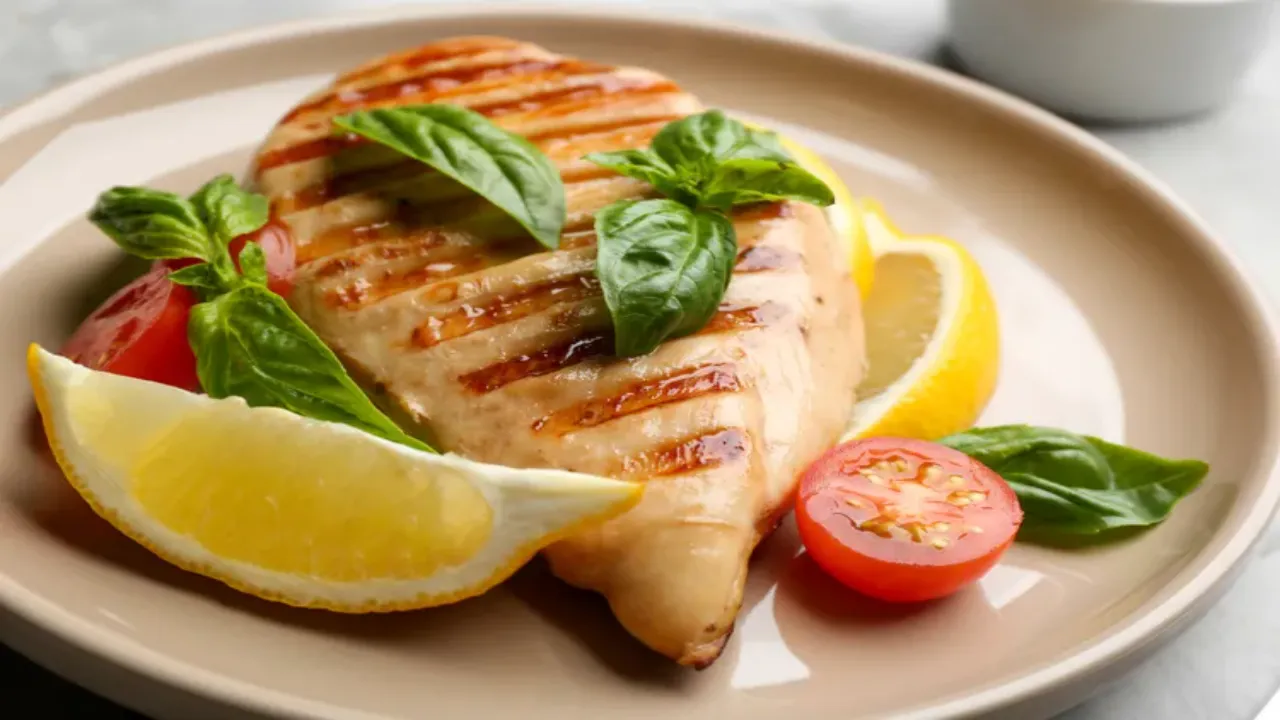
Chicken and turkey have earned a regular place on dinner plates for a simple reason: they deliver protein, provide important nutrients, and fit into a wide range of meals. From a grilled chicken salad to roasted turkey with vegetables, poultry can make it easier to build satisfying meals without relying heavily on red or processed meat.
But the health benefits depend on more than choosing chicken or turkey. The cut of meat, cooking method, portion size, seasoning, and side dishes all influence what ends up on your plate. Skinless, freshly cooked poultry is a different nutritional choice from deep-fried chicken, heavily salted deli turkey, or breaded nuggets.
Here are seven reasons chicken and turkey can be useful parts of a balanced diet, along with practical ways to get more from every serving.
1. Chicken and Turkey Provide Protein for Muscle Health
Protein is essential for repairing tissues, maintaining muscle, and producing enzymes and other substances the body needs to function. Chicken and turkey are convenient sources of complete protein, meaning they supply all nine essential amino acids that the body cannot make on its own.
This matters throughout life. Active adults need protein to support muscle recovery, while older adults need enough to help preserve muscle as they age. People recovering from illness may also need adequate protein, depending on their individual circumstances.
A serving of poultry can contribute substantially to daily protein intake. However, the amount varies according to the cut, whether the meat is cooked or raw when weighed, and the preparation method.
| Poultry choice | Main nutritional advantage | Easy meal idea |
|---|---|---|
| Skinless chicken breast | Lean source of protein | Grilled chicken with brown rice |
| Skinless turkey breast | Protein with relatively little saturated fat | Turkey and vegetable wrap |
| Chicken thighs | Protein and a richer texture | Baked thighs with roasted vegetables |
For a practical starting point, a cooked portion of about 3 ounces, roughly the size of a deck of cards, is a common serving guide. Individual needs vary with body size, activity level, age, and health goals.
Poultry is not the only way to meet protein needs. Eggs, fish, beans, lentils, tofu, nuts, and dairy products can also contribute. Eating a variety of protein sources helps provide a broader range of nutrients.

2. Lean Poultry Can Help You Build a More Balanced Diet
Chicken and turkey can be useful choices for people who want to manage their overall calorie intake without giving up satisfying meals. Skinless breast meat is generally lean, providing protein without a large amount of fat.
That does not mean poultry automatically causes weight loss. Body weight is influenced by total food intake, physical activity, sleep, and other factors. A large serving of fried chicken with creamy sauce and fries can contain far more calories than a portion of baked chicken served with vegetables and whole grains.
The advantage is flexibility. Poultry can be grilled, baked, roasted, poached, or added to soups and salads. These methods make it easier to control added fats and portion sizes.
| Preparation method | What to consider |
|---|---|
| Grilled or broiled | Use modest amounts of oil and watch for excessive charring |
| Baked or roasted | Season with herbs, garlic, pepper, and spices |
| Poached or added to soup | Can be prepared with little added fat |
| Deep-fried or heavily breaded | Often adds substantial calories and fat |
| Deli slices or processed poultry | Check sodium and other ingredients on the label |
A balanced plate still needs more than meat. Pair poultry with vegetables or fruit, whole grains, and a source of healthy fat. This adds fiber and other nutrients that chicken and turkey do not provide in meaningful amounts.
3. Poultry Supplies B Vitamins That Support Energy Metabolism
Feeling tired does not automatically mean someone needs more chicken or turkey, but poultry does provide several B vitamins involved in normal body functions.
Vitamin B6 helps the body metabolize protein and supports normal nervous-system and immune function. Niacin, also called vitamin B3, helps the body convert food into usable energy. Turkey and chicken can both contribute these nutrients as part of an ordinary diet.
Turkey is often discussed as a source of nutrients associated with energy metabolism, but chicken is a valuable option too. The nutritional difference between the two depends on the cut and serving size, so there is no need to treat one as universally superior.

| Nutrient | Role in the body | Why it matters |
|---|---|---|
| Vitamin B6 | Supports protein metabolism and nervous-system function | Helps maintain normal body processes |
| Niacin (B3) | Helps convert nutrients into energy | Supports cellular metabolism |
| Vitamin B12 | Supports red blood cell formation and nerve function | Helps prevent deficiency when intake is adequate |
Poultry can contribute to vitamin B12 intake, although the amount varies by cut and serving. Vitamin B12 is particularly important for people who eat little or no animal food, since reliable sources can be more limited in fully plant-based diets.
The important distinction is that B vitamins help the body use energy; eating extra poultry does not necessarily produce an immediate energy boost. Persistent fatigue can have many causes, including poor sleep, iron deficiency, thyroid problems, or other medical conditions.
4. Chicken and Turkey Provide Minerals for Everyday Body Functions
Beyond protein and B vitamins, poultry supplies minerals such as selenium and phosphorus. These nutrients do not always get the attention they deserve, yet they support important processes throughout the body.
Selenium helps antioxidant systems function and supports normal thyroid activity. Phosphorus is needed for bones and teeth and plays a role in how cells store and use energy. Poultry can help contribute to the intake of both minerals.
The exact amount depends on the cut, serving size, and preparation. A varied diet remains important because no single food supplies every nutrient in the proportions the body needs.
| Mineral | Main function | Other food sources |
|---|---|---|
| Selenium | Supports antioxidant defenses and thyroid function | Eggs, fish, and some nuts |
| Phosphorus | Supports bones, teeth, and energy-related processes | Dairy, beans, fish, and whole grains |
| Zinc | Supports immune function and wound healing | Meat, seafood, beans, and seeds |
Chicken and turkey are not complete nutritional solutions on their own. Vegetables, fruits, legumes, whole grains, dairy or fortified alternatives, and other protein sources help fill nutritional gaps.
People with chronic kidney disease or specific mineral restrictions may need individualized dietary advice. For them, the best portion and food choices can differ from general recommendations.

5. Choosing Poultry Instead of Processed or Fatty Meat May Improve Your Protein Choices
One of the most useful reasons to include poultry is what it can replace. If chicken or turkey takes the place of fatty or processed meat in a meal, it may help reduce saturated fat intake and improve the overall quality of the diet.
Skinless poultry generally contains less saturated fat than many fatty cuts of red meat. Replacing some red meat with poultry, fish, beans, or lentils can be a practical way to diversify protein sources.
However, the label “turkey” does not automatically make a food healthy. Turkey bacon, deli turkey, chicken sausage, and other processed poultry products can contain considerable sodium. Some products also contain added fat, preservatives, or other ingredients that make them different from freshly cooked meat.
Try these simple swaps:
- Replace a processed-meat sandwich filling with freshly roasted chicken or turkey.
- Add sliced chicken to a salad with beans, vegetables, and a whole-grain side.
- Serve baked poultry instead of deep-fried meat more often.
- Alternate poultry meals with fish, lentils, chickpeas, or tofu.
The aim is not to eat poultry at every meal. Fish and plant proteins offer their own benefits, including healthy fats or dietary fiber that poultry does not supply. A varied eating pattern is generally more useful than relying on a single “best” protein.
6. Poultry Can Make Satisfying Meals Easier to Prepare
Healthy eating can become difficult when meals take too much time or require unfamiliar ingredients. Chicken and turkey are versatile, and cooked poultry can be used in several dishes throughout the week.
For example, roasted chicken can become the protein in a grain bowl one day and a vegetable soup the next. Cooked turkey can be added to whole-wheat wraps or served with beans and vegetables. Using herbs, lemon, garlic, paprika, ginger, or black pepper can add flavor without relying entirely on salt-heavy sauces.

| Meal | Poultry option | What to add for balance |
|---|---|---|
| Breakfast or brunch | Leftover chicken in an omelet | Vegetables and whole-grain toast |
| Lunch | Turkey and vegetable wrap | Whole-grain tortilla and fresh greens |
| Dinner | Baked chicken breast | Brown rice and broccoli |
| Quick soup | Shredded chicken | Beans, carrots, and other vegetables |
| Meal-prep bowl | Roasted turkey | Quinoa or brown rice and mixed vegetables |
Planning portions ahead can also reduce food waste and make it easier to avoid frequent takeaway meals. Refrigerate cooked poultry promptly in shallow containers and use it within a few days, or freeze it for longer storage.
Poultry should never be treated as safe simply because the outside looks cooked. Use a food thermometer to check that chicken and turkey reach an internal temperature of 165°F (74°C). Keep raw poultry and its juices away from ready-to-eat foods, and wash hands and utensils after handling raw meat.
7. The Health Benefits Depend on How You Cook and Serve It
Chicken and turkey can be nutritious, but preparation can change the final meal considerably. Deep-frying, heavy breading, large amounts of butter, and salty sauces can add calories, sodium, and fat. Frequently eating heavily processed poultry may also make it harder to keep sodium intake under control.
For everyday meals, baking, roasting, grilling, poaching, and stewing are useful options. Trim visible fat when appropriate, and consider removing the skin if you want to reduce the amount of fat in your meal. Choose fresh, unprocessed cuts more often than deli meats or ready-to-fry products.
Food safety deserves equal attention. Raw poultry can carry harmful bacteria even when it looks and smells normal. Do not wash raw chicken in the sink, because splashing water can spread germs to nearby surfaces. Use separate boards and utensils for raw meat and foods that will be eaten without cooking.
For safe preparation:
- Cook all poultry, including ground chicken and turkey, to 165°F (74°C).
- Check the thickest part with a food thermometer rather than relying on color.
- Keep raw poultry separate from cooked food and fresh produce.
- Refrigerate leftovers promptly and reheat them thoroughly.
The most reliable approach is simple: choose a suitable portion, prepare it safely, and serve it with vegetables, whole grains, and other nutritious foods. Chicken and turkey can make that routine easier, but they work best as part of a varied diet rather than as a replacement for every other protein source.

FAQ
1. Is chicken or turkey healthier?
Neither is always healthier. Both provide protein and useful nutrients. The cut, skin, cooking method, sodium content, and portion size matter more than the name of the bird alone.
2. Is eating chicken every day healthy?
Chicken can fit into a balanced diet regularly, provided portions and preparation methods suit your needs. It is still a good idea to vary protein sources with fish, eggs, beans, lentils, nuts, and other foods.
3. Is turkey better than chicken for protein?
Both are good sources of protein. The exact amount varies by cut and serving size, so compare similar cooked portions rather than assuming turkey is always higher in protein.
4. What is the healthiest way to cook chicken and turkey?
Baking, roasting, grilling, poaching, and stewing are practical choices. Use moderate amounts of oil, limit excessive salt, and cook poultry to an internal temperature of 165°F (74°C).
5. Can chicken and turkey help with weight management?
They can help provide filling protein in meals, particularly when lean cuts are paired with vegetables and whole grains. However, weight management depends on overall eating habits, activity, and total energy intake—not on poultry alone.