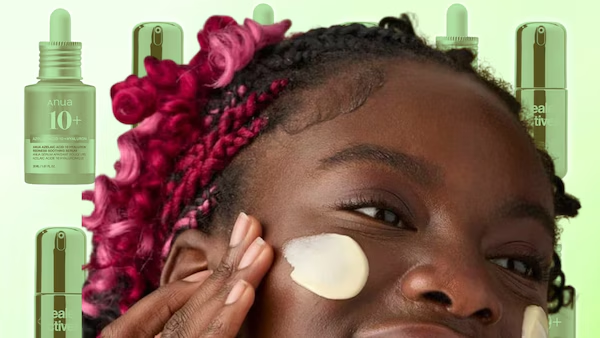
Azelaic Acid Skincare routines often include ingredients designed to tackle one specific concern, such as acne, dryness or uneven skin tone. But azelaic acid has attracted attention because it may help with several common skin problems at once. From reducing acne-related breakouts to calming visible redness and fading certain dark spots, this ingredient has become a popular option in modern skincare.
Dermatologists have used azelaic acid in topical treatments for years, and skincare enthusiasts are increasingly interested in adding it to their routines. But what exactly does it do, who can benefit from it, and how should it be used?
Here is what to know before trying azelaic acid.
What Is Azelaic Acid?
Azelaic acid is a naturally occurring compound found in grains such as wheat, barley and rye. In skincare, it is used as a topical ingredient available in creams, gels, foams and cosmetic formulations.
It has several properties that make it useful for managing skin concerns. These include anti-inflammatory, antibacterial and keratin-normalizing effects. In simple terms, it can help calm inflammation, address acne-related bacteria and reduce the buildup of dead skin cells that can contribute to clogged pores.
Unlike some stronger exfoliating ingredients, azelaic acid is not primarily used to peel the skin. Instead, it works through several pathways that can improve the appearance of acne-prone and uneven skin.
5 Potential Benefits of Azelaic Acid for Skin
1. Helps Improve Acne and Breakouts
One of the best-known uses of azelaic acid is acne management. It can help reduce acne-causing bacteria and prevent the buildup of dead skin cells inside pores.

This makes it useful for people dealing with clogged pores, small bumps and inflamed pimples. It may also be considered when someone cannot tolerate certain other acne treatments.
However, results are gradual. Azelaic acid is not an overnight solution, and persistent or severe acne may require a dermatologist’s treatment plan.
2. May Reduce Facial Redness
Azelaic acid has anti-inflammatory properties that can help reduce redness associated with certain skin conditions.
It is particularly relevant to papulopustular rosacea, a form of rosacea that can cause facial redness along with acne-like bumps and pimples.
It is important to understand that rosacea is a medical skin condition. Azelaic acid may help manage some of its symptoms, but it does not permanently cure rosacea.
3. Helps Fade Dark Spots and Uneven Skin Tone
Dark marks left behind after pimples can remain visible long after a breakout has disappeared. Azelaic acid may help improve these marks by affecting the skin’s pigment-producing process.

It is also studied for melasma, a condition that causes brown or gray-brown patches, often on the face.
People with post-acne dark spots may find it a useful ingredient, although improvement takes time and depends on the cause and depth of pigmentation.
4. Can Be an Option for Sensitive Skin Routines
Some people struggle with common acne ingredients because they experience dryness, irritation or peeling. Azelaic acid may be an alternative worth discussing with a dermatologist.
That does not mean it is irritation-free. Some users experience temporary stinging, burning, itching or dryness, especially when first starting treatment.
A gentle cleanser, moisturizer and gradual introduction can help make a skincare routine easier to tolerate.
5. Supports a More Even-Looking Complexion
By addressing acne, inflammation and certain forms of hyperpigmentation, azelaic acid may help skin look clearer and more even over time.

However, claims that it reverses aging or removes wrinkles should be treated cautiously. A 2023 systematic review found no eligible randomized controlled trials establishing azelaic acid as a standalone anti-aging treatment.
How to Use Azelaic Acid in Your Skincare Routine
The right application method depends on the product’s strength and formulation. Prescription treatments and over-the-counter cosmetic products may have different directions.
A simple routine can look like this:
| Step | What to Do |
|---|---|
| 1 | Cleanse your face with a gentle cleanser |
| 2 | Apply azelaic acid as directed on the product |
| 3 | Follow with a moisturizer |
| 4 | Use broad-spectrum SPF 30 or higher during the day |
Start slowly if you are using a cosmetic product and have sensitive skin. Follow the label instructions, and avoid applying more than recommended in an attempt to speed up results.
If you are using prescription azelaic acid, follow your healthcare professional’s directions rather than changing the schedule yourself.
How Long Does Azelaic Acid Take to Work?
Patience is important when using azelaic acid. Some people notice early improvements within several weeks, but more noticeable changes in acne or rosacea symptoms can take around 8 to 12 weeks.

Dark spots and melasma may take longer to improve. Consistent use, sun protection and choosing the right treatment for the underlying skin concern all matter.
If your skin becomes increasingly irritated or your condition gets worse, stop using the product and seek professional advice.
Possible Side Effects to Know
Azelaic acid is generally well tolerated by many users, but side effects can occur.
Possible reactions include:
- Mild burning or stinging
- Itching or tingling
- Dryness and peeling
- Skin tenderness or irritation
- Changes in skin color in some cases
Avoid getting the product into your eyes or mouth. If you develop severe irritation, swelling or an allergic reaction, discontinue use and seek medical attention.
People who are pregnant, breastfeeding, have a skin condition or use several prescription skincare products should check with a healthcare professional before starting a new treatment.

Is Azelaic Acid Better Than Other Skincare Ingredients?
There is no single best ingredient for everyone. Azelaic acid may be useful when acne, redness and pigmentation are overlapping concerns, but other ingredients may be more appropriate for different skin needs.
For example, salicylic acid is commonly used to target clogged pores, while retinoids are often recommended for acne and skin-cell turnover. A dermatologist can help determine which option is appropriate for your skin.
Final Thoughts
Azelaic acid deserves attention because it has evidence supporting its use for acne, rosacea and certain pigmentation concerns. It offers a multi-purpose approach for people who want to address breakouts, redness and uneven skin tone without relying on a complicated routine.
Still, it is not a miracle ingredient. The best results come from choosing the right formulation, using it consistently and protecting your skin from the sun. If you have persistent acne, rosacea or melasma, professional advice can help you find a treatment that suits your needs.
1. What is azelaic acid mainly used for?
Azelaic acid is commonly used to help treat acne and papulopustular rosacea. It may also improve certain dark spots and melasma.
2. Can azelaic acid help with acne scars?
It may help fade flat, dark marks left after acne. However, it does not reliably remove indented or raised acne scars.
3. Can I use azelaic acid every day?
Some formulations are designed for daily use, but the correct frequency depends on the product and your skin. Follow the label or your dermatologist’s instructions.
4. Does azelaic acid make skin sensitive to sunlight?
It is not generally known for causing the same level of sun sensitivity as some other active ingredients. Still, daily broad-spectrum sunscreen is important, especially when treating dark spots.
5. How long does azelaic acid take to show results?
Some improvements may appear within a few weeks, while acne and rosacea treatment results are often assessed over approximately 8 to 12 weeks. Pigmentation can take longer.